Obtaining HOA or Condo Board Approval for a Chicago Remodel
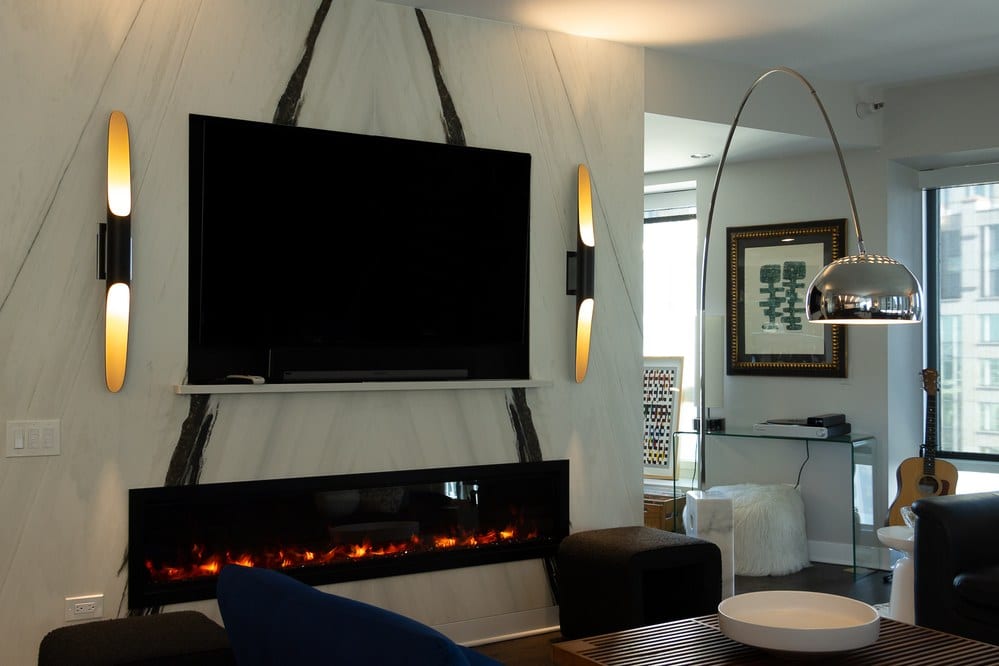
If you own a condo in Chicago, you do not have the same renovation freedom as someone who owns a single-family home. Before any contractor can start work in your unit, your building’s HOA or condo board will almost certainly require you to obtain their formal approval. For many downtown high-rise buildings in Chicago, that approval process involves multiple steps, specific documentation, and a waiting period that can easily extend from four to eight weeks.
Most renovation delays we see in Chicago condo projects are not caused by the construction work itself. They are caused by owners who underestimated the approval process, started their planning without accounting for the board’s review timelines, or submitted incomplete application packages. A thorough understanding of how this process works before you begin will save you time, money, and significant frustration down the road.
Know What Requires Board Approval Before You Plan
Not every change you make to your unit will require board approval, but most work that affects the building’s structure, plumbing, electrical systems, or flooring does. The exact scope of what needs approval varies from one building to another. In our experience working on Chicago high-rise renovations, the following types of work consistently require a formal review:
- Any wall removal or other structural modification
- Relocation of plumbing fixtures like sinks, showers, or toilets
- Installation of new electrical circuits or changes to the electrical panel
- Flooring replacement, particularly in buildings with strict sound transmission requirements
- Any work that requires access to the building’s common areas or shared mechanical systems
Cosmetic updates like painting or replacing cabinet hardware typically do not require board approval. However, when in doubt, it is always better to submit for approval anyway. It is far easier to get an unnecessary pre-approval than it is to face a stop-work order in the middle of your project.
Gather Every Document Your Building Requires
Chicago condo boards are not standardized, and each building establishes its own unique set of requirements. A complete submission package, however, almost always includes the same core documents:
- A detailed scope of work that clearly describes all planned changes
- A copy of your contractor’s current City of Chicago license
- Proof of the contractor’s liability insurance, typically for $1M–$2M, which must name the building as an additional insured party
- A certificate of workers’ compensation insurance coverage
- A signed acknowledgment of the building’s specific renovation rules and allowable construction hours
Some buildings also require architectural or structural drawings, particularly for projects involving wall removals or significant plumbing relocations. Others may ask for a damage deposit to be held by building management for the duration of the project. Our team provides all of these documents as a standard part of our onboarding process, assembled and ready for you to submit to your board.
Submit a Complete Package to Avoid Delays
Condo boards typically meet on a monthly basis, and many will only review renovation submissions during these scheduled meetings. An incomplete submission will likely be rejected, causing you to lose that entire review cycle. This can result in a four-week delay simply because of a single missing document.
Before you submit anything, request the complete renovation rules packet from your property manager and read it in full. Carefully match every required document against a checklist before you hand anything over. A contractor who has worked in Chicago high-rises before will know what individual buildings commonly require and can help you prepare the entire package in advance.
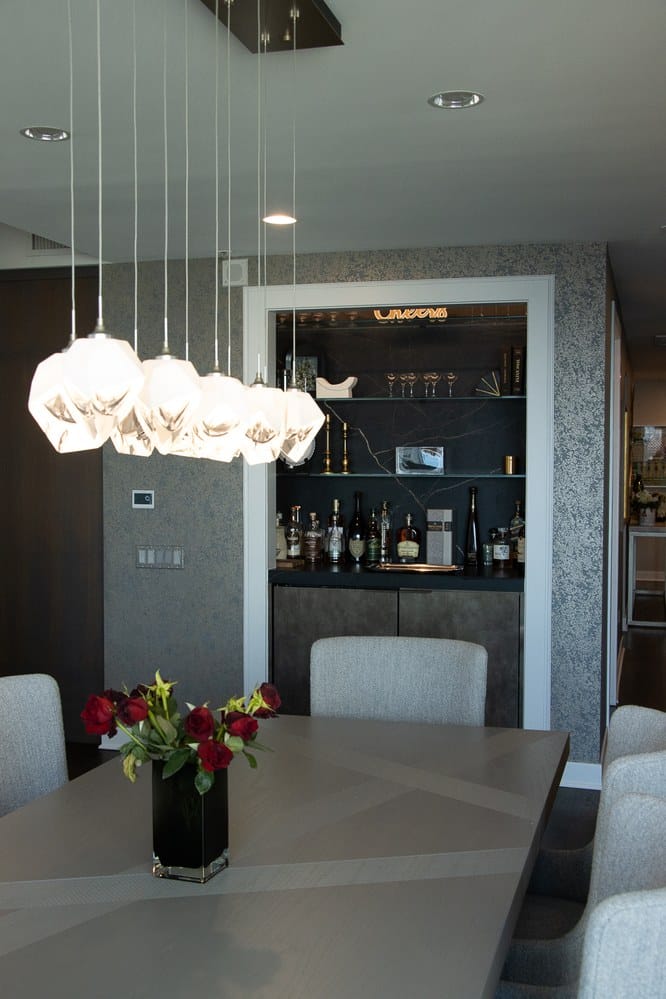
Work with a Contractor Who Knows the Chicago High-Rise Approval Process
The approval process in a Chicago high-rise is not the same as securing a permit for a suburban home. These buildings have their own individual rules on construction hours, elevator reservations, required floor protection in common hallways, and noise restrictions. A contractor who is unfamiliar with these specific requirements can inadvertently cause friction with your building management, an issue that ultimately falls back on you as the unit owner.
At Areté Renovators, we have successfully completed renovations across the Loop, River North, Gold Coast, Lincoln Park, and Lakeview. We know what downtown buildings require, and we handle the documentation and scheduling coordination as an integral part of every project we undertake.
Plan Your Timeline Around the Board Review Window
The most common mistake we encounter is owners scheduling a contractor’s start date before they have received confirmed board approval. If your building’s board only meets monthly and you happen to miss the submission deadline, you could be left waiting weeks for the next review session.
Build your approval timeline into your renovation schedule from the very beginning. Submit your package as early as you possibly can. It is also wise to confirm with your property manager whether the board has any upcoming blackout periods when reviews are not conducted. Do not finalize contractor scheduling until you have written approval in hand.
Protect Yourself from Starting Without Written Approval
Proceeding with a renovation without board approval is a significant financial risk. Chicago condo boards have the authority to issue stop-work orders, require the removal of already completed work, and assess substantial fines. Some owners have been forced to restore walls, flooring, or plumbing to their original condition entirely at their own expense after work was done without proper approval.
The City of Chicago also requires its own permits for most structural, electrical, and plumbing work. City permits and board approval are two separate processes that often run in parallel. Both must be fully in place before any work begins.
FAQs About HOA and Condo Board Approval for Chicago Remodels
- What happens if my proposed project gets rejected by the HOA or condo board? If your proposed project is rejected, you will have to make necessary changes to your plans and resubmit for approval. This can cause delays and potentially increase costs, so it’s important to carefully review any rules and regulations before submitting your proposal.
- How long does HOA or condo board approval take in Chicago? Most buildings take four to eight weeks to provide written approval after a complete submission. Buildings that only review proposals at monthly board meetings will take longer if you miss a submission deadline. Planning for a minimum of four weeks is a safe starting point.
- Does my contractor need to be approved by my building? Many Chicago high-rises maintain an approved vendor list or require contractors to submit their credentials before they are allowed to work in the building. Your property manager can confirm your building’s specific requirements. We are already on file with many management companies throughout the city.
- What happens if my kitchen remodeling project requires both a city permit and board approval? Both processes run in parallel, and both must be complete before construction can begin. The city permit is pulled by your contractor and covers work under the Chicago building code. Board approval is a separate process governed by your building’s private rules. Our team manages both timelines as part of our comprehensive project planning.
Your Top Chicago High-Rise Remodeling Experts
If you are considering a remodel for your Chicago high-rise condominium, our experienced designers can show you how to start the process and successfully work with your building’s management and the city. We can help you create a plan that addresses all the necessary requirements. Call us at 773.683.3033 or contact us to schedule a conversation about your project.