What Is a Chicago High-Rise Contractor?
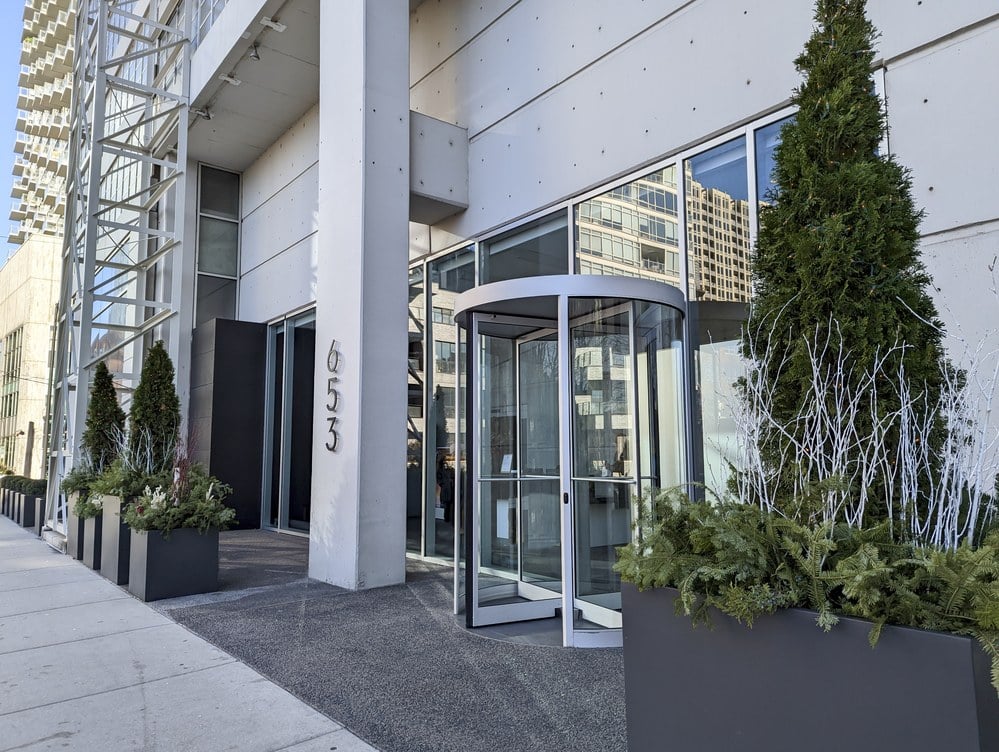
If you own a condo in a Chicago high-rise and you’re thinking about renovating, you’ve probably realized that not every contractor is set up for the work. General contractors who do great work on single-family homes often lack the experience, licensing, or operational setup for a renovation inside a 30-story residential tower. A high-rise contractor fills that gap. Knowing what the role involves will help you ask better questions when evaluating who to hire.
At Areté, high-rise and mid-rise condo renovation is a core part of what we do. We have worked in buildings across River North, Gold Coast, Streeterville, Lakeview, Lincoln Park, and the South Loop. We have also built the systems, relationships, and in-field experience that this type of work requires. Here is what a high-rise contractor actually does and why it’s different.
Chicago High-Rise Renovation Is a Different Category of Work
The Physical Environment Changes Everything
When you renovate inside a high-rise residential building, you’re working in a shared structure with other occupied units around you. Your work affects neighbors above, below, and on both sides. Dust, noise, vibration, and debris all must be managed in a way that doesn’t apply on a standalone construction site. This requires specific jobsite practices like dust containment systems, scheduled work hours that comply with building rules, careful protection of common areas, and a crew that understands professional conduct in an occupied building.
The Building Itself Has Rules
Every Chicago high-rise has its own renovation guidelines, usually administered by the property management company and enforced by the HOA or condo board. These rules govern work hours, elevator access, material delivery windows, noise restrictions, insurance requirements, and which types of work require board approval. A high-rise contractor knows how to read these guidelines, submit the required documents, and work within those constraints without holding up the project.
Logistics Are More Involved
There is no dumpster in the driveway on a high-rise job. Material deliveries have to be coordinated with building management and scheduled around freight elevator availability. Debris removal happens in controlled loads through the service entrance. A crew that approaches a River North tower the same way they would a Naperville single-family home is going to create problems for the building, the client, and the schedule.

The Skills and Licensing That Matter in Downtown Chicago
A high-rise contractor needs a current City of Chicago general contractor license, along with trade-specific licenses for any electrical or plumbing work. Chicago has its own licensing requirements separate from the state. Working without them inside the city is both illegal and a serious liability for the property owner. Before you hire anyone, ask to see their city license and verify it is current.
Structural and mechanical knowledge specific to high-rise construction is important. High-rise buildings are engineered differently from single-family homes. A contractor who doesn’t understand how these systems interact with the renovation scope can cause real problems, both within the unit and in shared building systems that affect other residents.
Experience with the permit process inside Chicago is non-negotiable. The City of Chicago building department reviews renovation permits with scrutiny that varies by project scope. Work that touches structural elements or relocates plumbing requires licensed engineers, detailed drawings, and inspections at multiple stages. A contractor who has not handled this process repeatedly will slow it down or start work without the right permits in place, creating code violations that become the property owner’s problem.
What the Condo Board Approval Process Involves in Chicagoland
Most Chicago high-rise buildings require board or management approval before any renovation work begins. The application typically includes a description of the scope, a contractor’s certificate of insurance naming the building as an additional insured, and sometimes architectural drawings for larger projects. Some buildings require a security deposit against potential damage to common areas.
We handle this process as part of our standard workflow. Our professionals prepare the documentation, submit it to building management, and make sure everything is in order before our crew sets foot in the building. For clients who are nervous about the process, knowing that this is handled is one less thing to manage.
Timelines for board approval vary. Some buildings have a monthly review cycle, so if you miss a submission deadline, you wait another month. Others have a rolling review process that moves faster. We factor the likely approval timeline into the project schedule from the beginning so it does not catch anyone off guard.
What to Look for When Evaluating a High-Rise Contractor
- Ask for building-specific references. A contractor who has done beautiful work in Lincoln Park single-family homes may not have the operational setup for a Streeterville high-rise. Ask specifically what high-rise buildings they have worked in and how recently.
- Ask how they handle building logistics. A contractor who has done this work will have an immediate, specific answer about elevator reservations, debris removal, and material staging. A contractor who has not will give you a vague answer. The difference is experience.
- Verify insurance at the right level. High-rise buildings typically require higher liability coverage limits, often $2 million per occurrence or more. Check what your building requires and confirm the contractor’s policy meets it before you sign anything.
- Review their subcontractor relationships. High-rise renovation involves coordinating licensed electricians, plumbers, and carpenters on a tight jobsite. A contractor with long-standing relationships with reliable subcontractors who also know the high-rise environment will run a smoother project.
What Areté Renovators Brings to High-Rise Work in Chicago
We have been renovating Chicago condos for years, working in buildings managed by some of the city’s largest property management companies. Our team knows the documentation requirements, logistical constraints, and quality standards that high-rise renovation demands. We are fully licensed with the City of Chicago, properly insured, and we manage the permit and board approval process from start to finish.
Our work ranges from kitchen and bathroom renovations in individual units to full-floor gut renovations. Whether it’s a single-room remodel or a comprehensive project, our design-build process is the same. It is licensed, permitted, board-approved, and executed by a crew that knows how to work professionally in an occupied residential building.
If you are planning a renovation in your Chicago high-rise or mid-rise condo, call us at 773.683.3033 or contact us. Our designers will walk you through your project and tell you exactly what is involved.
We offer two convenient Chicago locations:
155 N Harbor Dr, Unit 1C8A-W
Chicago, IL 60601
3821 W Montrose Avenue
Chicago, IL 60618