What Not to Tell Your Chicago Contractor
You should tell them everything. That might not be the answer you were expecting, but it’s the truth. If you have ever hired a contractor and the project went over budget, ran past its deadline, or did not turn out how you pictured it, there is a good chance the root of the problem was something that was never said aloud. This is not because anyone was dishonest. Most homeowners and condo owners begin a renovation project conditioned to hold certain things back, thinking it will work in their favor. It does not.
At Areté, we have worked with Chicago homeowners and condo owners through enough renovations to know exactly what people do not say and what it costs them. This is the honest version of the conversation we wish every client had with their contractor before work began.
“I Do Not Want to Tell Them My Real Budget”
This is the most common one, and we understand why. The instinct makes sense. If you tell a contractor your budget, they will spend all of it. So instead of saying $80,000, you say $60,000 and hope to negotiate up from there. The problem is that this approach almost always backfires.
When a contractor does not know your real budget, they cannot build the right scope. They will either propose a project that is achievable at the number you gave them but does not include what you actually want, or they will come in over-scoped and have to walk you through a painful value-engineering process to get back to something you can afford. Either way, you have wasted time and muddied the relationship before work has even started.
A good contractor is not going to drain your budget for the sake of it. They want to build you something you are proud of at a number that keeps you as a client and generates referrals. Tell them what you have to spend. Tell them what is flexible and what is not. That conversation produces a better proposal than any number game will.
“I Do Not Want to Tell Them My Real Timeline”
People do the same thing with deadlines. You need the kitchen done before Thanksgiving, so you tell the contractor you need it done by October 15th, buying yourself what feels like a cushion. What you have actually done is created a schedule that the contractor builds their subcontractors, material orders, and crew availability around. When that artificial deadline slips, it can cascade into real delays on the actual date you care about.
Honesty about your timeline lets your contractor plan backward from what actually matters. If Thanksgiving dinner is the real milestone, say so. A good contractor will tell you whether it is achievable, what would have to happen to make it happen, and what the risks are if tile delivery gets delayed or permit review takes longer than expected. That is a useful conversation. A made-up earlier date just adds noise.
If your timeline is genuinely flexible and you just want it done reasonably quickly, say that too. It often means your contractor can sequence work more efficiently, batch material orders, and avoid the premium costs that come with rushed scheduling.
“I Do Not Want to Tell Them What I Do Not Like About Their Proposal”
You received a proposal back, and something about it does not feel right. Maybe the allowance for tile seems low, or the timeline feels optimistic, or a line item is described vaguely, and you are not sure what it covers. You sign it anyway because you do not want to seem difficult, or you assume it will work itself out.
It will not work itself out. Every ambiguity in a contract is a future disagreement waiting to happen. If you do not understand what is included, ask. If you think an allowance is unrealistic, say so. If you want a different material than what was specified, bring it up before work starts, not when the wrong tile is already on the floor.
A contractor who gets defensive or dismissive when you ask a clarifying question before signing is showing you exactly how they will respond when something comes up mid-project.
A contractor who welcomes the conversation, explains their thinking, and adjusts where adjustments make sense is someone you can work with through the inevitable surprises that come with any renovation.
“I Do Not Want to Tell Them About the Last Contractor Who Let Me Down”
If you have had a bad renovation experience before, you might be reluctant to bring it up. You may be worried about coming across as high-maintenance or not wanting to start a new relationship on a suspicious note. But that history is genuinely useful information.
Knowing what went wrong before helps a good contractor avoid the same mistakes. If your last project had communication problems, a contractor who knows that can build in more frequent check-ins and written updates. If the last job ran 30% over budget, they will know you need detailed scope documentation and change-order conversations before anything gets added to the project. If materials showed up wrong and nobody caught it until installation day, they will add a step where you approve samples before orders are placed.
Your past experience is not baggage. It is information. Share it. We do.
“I Do Not Want to Tell Them What I Am Actually Envisioning”
This one is subtler. Some clients come in with a clear picture of what they want and share it fully with photos, sketches, inspiration boards, and specific product links. Other clients describe what they want in general terms because they are worried about seeming demanding, they do not think their vision is realistic, or they are not sure how to articulate it.
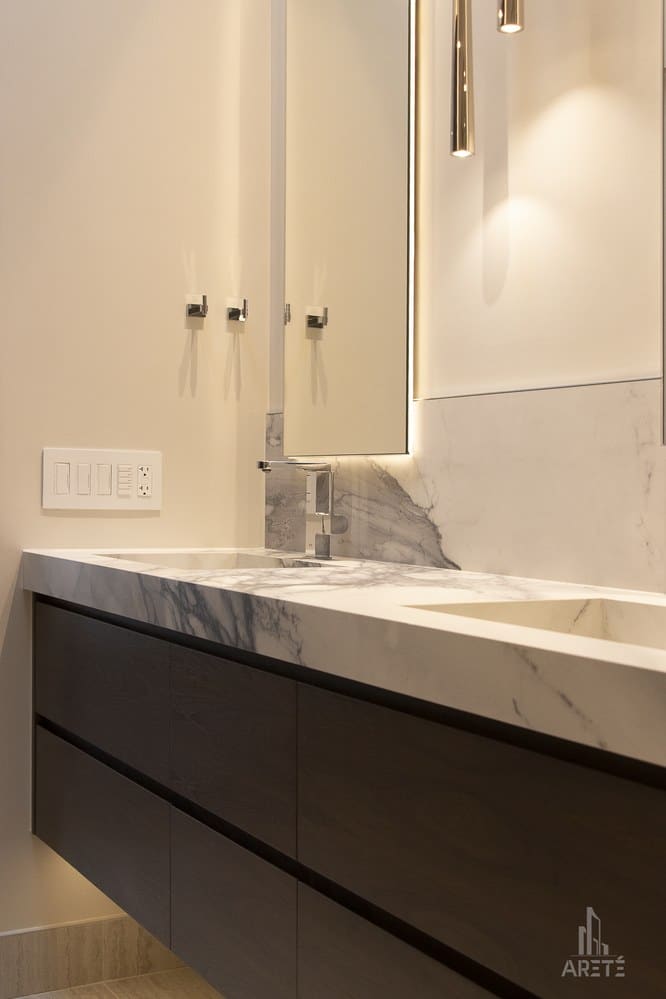
The clearer you are about what you are envisioning, the closer the finished project will be to what you actually wanted. If you have been dreaming about a book-matched marble slab vanity with a floating dark cabinet and backlit mirror, say that. Do not just say “something modern and clean.”
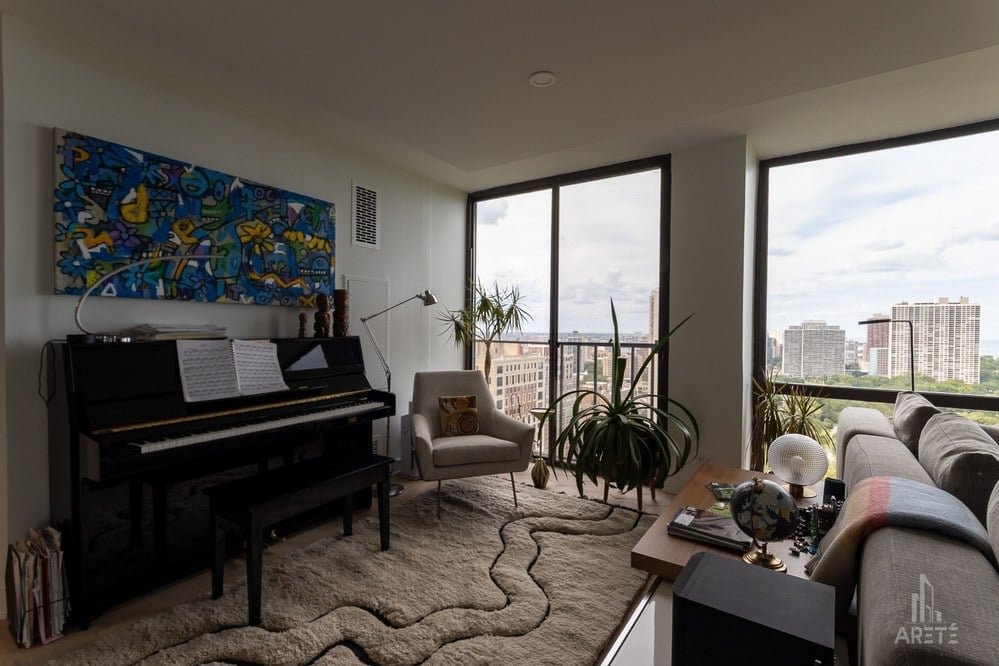
If you want your Chicago high-rise living room to feel open and light-filled with the city view as the focal point, say that. Do not just say “updated.” The more specific you are, the more your contractor can either deliver exactly what you are picturing or have an honest conversation about what is achievable within your budget and timeline.
Our in-depth design-build process begins with a detailed design consultation, a vital step that ensures your vision is at the heart of every decision we make. During this consultation, we take the time to understand your lifestyle, preferences, and the specific goals you have for your home. This collaborative process not only defines the scope of the project but also allows us to share innovative solutions and expert recommendations that align with your vision, timeline, and budget. By investing in this initial step, we set the foundation for a seamless and personalized renovation experience designed to bring your dream home to life.
Specificity is not being difficult. It is doing your contractor the favor of letting them do their job well.
Areté is Your Transparent Chicago Remodeler
The renovation process works best when both sides are fully honest. Your contractor cannot solve problems they do not know exist, cannot plan around constraints they have not been told about, and cannot meet expectations that were never clearly stated. The most successful projects we have been part of at Areté Renovators are the ones where the client told us everything. They shared the real budget, the real deadline, the specific vision, the past frustrations, and the non-negotiables, and trusted us to work with that information.
That is the kind of working relationship that produces a finished project you are actually proud of.
If you are planning a remodel in Chicago and want a contractor who will give you the same straight talk in return, call us at 773.683.3033 or contact us to start the conversation.
We offer two convenient Chicago locations:
155 N Harbor Dr, Unit 1C8A-W
Chicago, IL 60601
3821 W Montrose Avenue
Chicago, IL 60618