Innovative Lighting Solutions for Kitchens in Chicago Homes and Condos
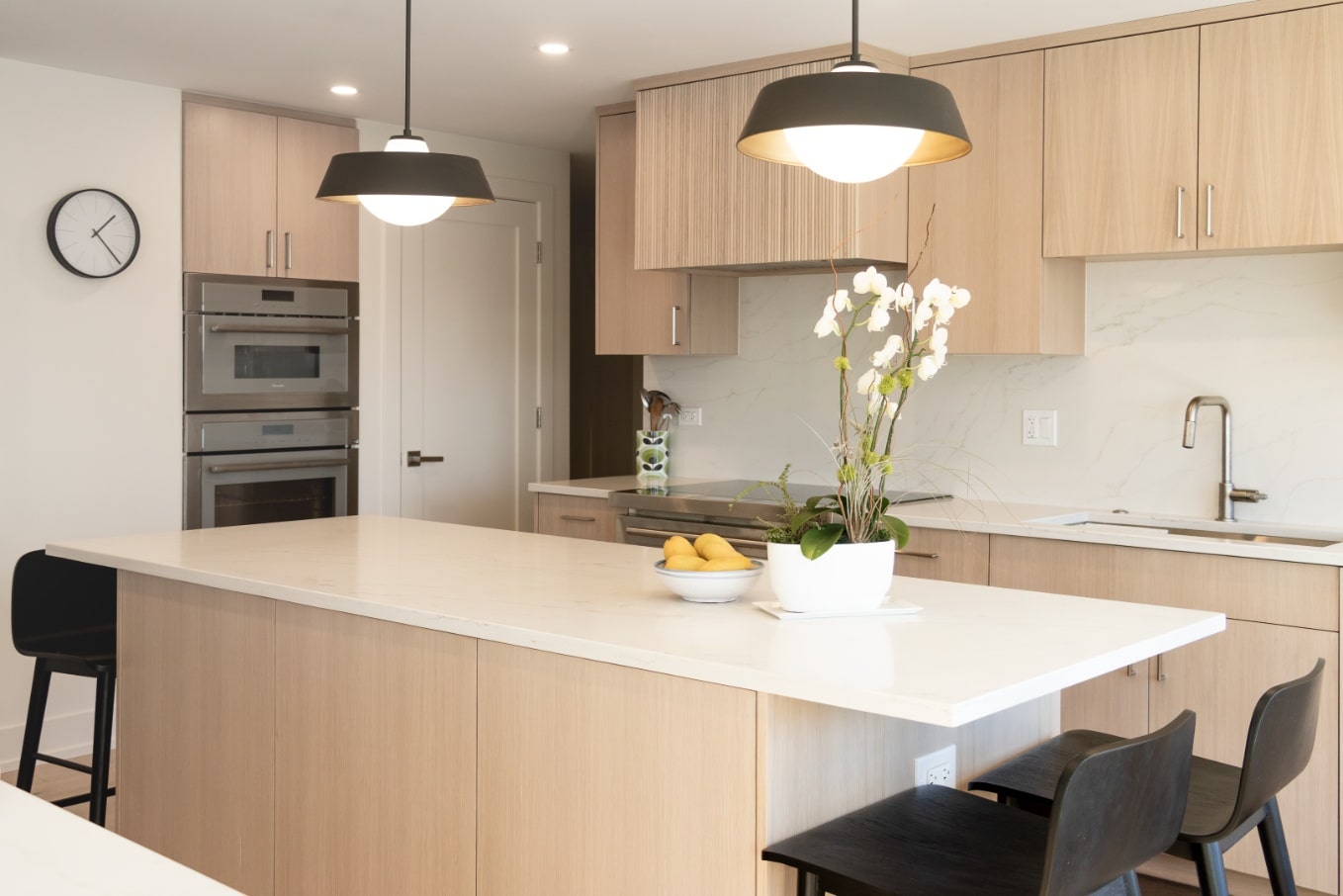
Lighting has become one of the defining elements of luxury kitchen remodeling in Chicago. In high-end homes and condominiums, lighting no longer serves a purely functional role limited to visibility and illumination. It has evolved into a core architectural component that influences how space is perceived, how materials are experienced, and how kitchens perform throughout the day and evening.
In Chicago’s luxury residential market, kitchen lighting design carries particular importance because of the city’s architectural diversity. A lighting strategy that works within a glass-walled high-rise condominium in Streeterville may fail completely inside a historic Lincoln Park brownstone or a vintage bungalow in Bucktown. Ceiling heights, window orientation, structural limitations, and urban density all shape how lighting must be approached.
For homeowners investing in luxury kitchen remodeling in Chicago, lighting directly impacts both lifestyle and property value. Well-designed lighting enhances workflow, improves visual comfort, highlights premium materials, and creates the layered ambiance expected in modern luxury interiors. Poor lighting, by contrast, can diminish even the highest-end kitchen renovation by flattening surfaces, creating shadows, or exposing design inconsistencies.
As luxury kitchen design continues to evolve, innovative lighting solutions are increasingly becoming one of the most important differentiators between average remodels and architecturally refined spaces. Advanced LED lighting systems, integrated smart controls, concealed lighting strategies, and layered fixture design are transforming how Chicago kitchens function and feel.
For Chicago kitchen design firms such as Areté Renovators, lighting is not treated as a final decorative decision added late in the process. It is integrated into the earliest stages of kitchen planning to ensure that cabinetry, millwork, ceiling design, appliance placement, and material selection all work cohesively together.
The Impact Of Chicago Architecture On Kitchen Lighting Design
Chicago presents a uniquely complex environment for kitchen lighting because the city’s residential architecture varies dramatically by neighborhood, building era, and structural type. Designing lighting for a luxury condominium tower in River North involves fundamentally different considerations than illuminating a century-old residence in Lakeview or Lincoln Park.
High-Rise Condominiums And Urban Lighting Constraints
Luxury condo kitchen remodeling in Chicago often occurs within high-rise buildings where lighting design must adapt to structural limitations. Concrete ceilings, restricted electrical pathways, HOA regulations, and limited ceiling cavities can all affect fixture placement and installation methods.
Many luxury condo kitchens also exist within open-concept floor plans where the kitchen remains fully visible from the living and dining areas. In these environments, lighting must achieve multiple objectives simultaneously. It must provide sufficient illumination for cooking and preparation while also contributing to the broader architectural atmosphere of the residence.
Glass-heavy towers in neighborhoods such as Streeterville and Lakeshore East introduce another consideration: fluctuating natural light conditions. During daylight hours, expansive windows may flood kitchens with natural illumination, while evening conditions require carefully calibrated artificial lighting to maintain warmth and visual balance without creating glare or reflections.
As a result, luxury condo lighting design often emphasizes layered LED systems, dimmable controls, integrated under-cabinet illumination, and minimalist fixtures that preserve sightlines and architectural cohesion.
Historic Chicago Homes And Lighting Integration Challenges
Historic homes throughout Lincoln Park, Lakeview, Bucktown, and Wicker Park present a completely different set of conditions. These properties often contain compartmentalized layouts, lower ceiling clearances, ornate millwork, and older electrical systems that require modernization.
Lighting integration in these homes must balance preservation with performance. Homeowners frequently want kitchens that feel modern and highly functional while still respecting the architectural identity of the property. This requires a restrained and highly strategic lighting approach.
Older homes also tend to suffer from insufficient natural light in kitchen areas due to narrow lot configurations and rear-facing layouts. Lighting design, therefore, becomes essential not only for aesthetics but also for improving the livability and usability of the space.
Successful lighting strategies in historic Chicago homes frequently involve concealed LED systems, carefully placed recessed fixtures, layered task lighting, and decorative fixtures that complement traditional architecture without appearing overly contemporary.
Why Layered Lighting Is Essential In Luxury Chicago Kitchens
One of the defining characteristics of sophisticated kitchen lighting design is the use of layered illumination. In luxury Chicago kitchens, relying on a single overhead fixture or generalized ceiling lighting is no longer sufficient.
A properly designed kitchen uses multiple lighting layers working together to support functionality, visual comfort, and architectural depth.
Ambient Lighting: Establishing Overall Illumination
Ambient lighting forms the foundation of the kitchen lighting system. Its purpose is to provide consistent general illumination throughout the space while establishing the broader mood and atmosphere of the room.
In luxury kitchen remodeling projects, ambient lighting is typically achieved through recessed LED fixtures strategically positioned to distribute light evenly without creating harsh shadows. However, the placement and spacing of these fixtures must be carefully planned to align with cabinetry, islands, and circulation paths.
In open-concept condos throughout River North and the Gold Coast, ambient lighting often extends beyond the kitchen itself and integrates into the overall lighting plan for the residence. This continuity helps maintain visual cohesion across living areas.
Color temperature selection is particularly important. Cooler temperatures may create a sterile or commercial appearance, while excessively warm tones can distort material colors. Most luxury kitchens benefit from balanced warm-white lighting that enhances natural materials such as wood, quartzite, and marble.
Task Lighting: Supporting Daily Kitchen Functionality
Task lighting is arguably the most critical functional component of kitchen illumination because it directly impacts usability and workflow.
In high-end kitchens, task lighting is carefully integrated into cabinetry systems and preparation areas to eliminate shadows and improve visibility. Under-cabinet LED strips are among the most effective solutions because they illuminate countertops directly without creating glare.
Kitchen islands frequently require dedicated task lighting through pendants or integrated recessed systems positioned precisely above preparation zones.
In luxury Chicago condo kitchens where space may be constrained, task lighting becomes even more important because poor illumination can make compact kitchens feel smaller and less functional.
Advanced task lighting systems increasingly include dimmable controls and tunable color temperatures that allow homeowners to adjust illumination levels throughout the day depending on cooking, entertaining, or ambient needs.
Accent Lighting: Creating Depth And Architectural Drama
Accent lighting introduces dimensionality and sophistication into the kitchen environment. While ambient and task lighting address functionality, accent lighting enhances architectural character and material presentation.
In luxury kitchens, accent lighting is frequently used to highlight textured backsplashes, floating shelves, custom millwork, and display cabinetry. Toe-kick lighting, integrated shelf illumination, and concealed uplighting can dramatically alter the perception of space.
Accent lighting is especially effective in Chicago high-rise condos where evening city views become part of the interior atmosphere. Properly balanced accent lighting enhances nighttime ambiance without competing with skyline visibility.
In historic homes, accent lighting can also emphasize preserved architectural details such as crown molding, exposed brick, or original woodwork, allowing traditional features to coexist with modern kitchen functionality.
Innovative Lighting Technologies Transforming Chicago Kitchens
The rapid evolution of lighting technology has significantly expanded the possibilities for luxury kitchen design in Chicago homes and condos.
Advanced LED Integration
Modern LED technology has transformed kitchen lighting by enabling slimmer fixtures, reduced heat output, lower energy consumption, and significantly greater design flexibility.
Unlike older incandescent systems, integrated LEDs allow lighting to be concealed within cabinetry, shelving, millwork, and architectural recesses. This enables kitchens to feel cleaner and more refined because the light source itself often disappears from view.
LED tape systems are now commonly integrated beneath cabinetry, within floating shelves, inside glass display cabinets, and beneath islands to create subtle layered illumination.
Luxury homeowners increasingly prioritize LEDs not only for efficiency but also for longevity and reduced maintenance—particularly important in high-rise condo environments where fixture replacement can be disruptive.
Smart Home Lighting Integration
Smart lighting systems have become a major feature within luxury kitchen remodeling projects across Chicago.
Integrated smart controls allow homeowners to adjust brightness, color temperature, and lighting scenes through smartphones, voice assistants, or automated schedules. This level of control significantly improves both convenience and customization.
For example, a kitchen may transition automatically from bright task-oriented morning lighting to softer evening ambient scenes designed for entertaining.
Smart integration also improves energy efficiency by allowing occupancy sensors, scheduling automation, and remote management.
In high-end condo markets such as Streeterville and the Gold Coast, buyers increasingly expect smart-home integration as part of the overall luxury experience.
Human-Centric Lighting Systems
An emerging trend in luxury kitchen lighting involves human-centric illumination systems that adjust color temperature throughout the day to align with circadian rhythms.
Cooler light temperatures during morning hours can improve focus and visibility, while warmer evening tones create a more relaxed environment conducive to dining and entertaining.
Although still relatively specialized, these systems are becoming increasingly popular in luxury Chicago residences where wellness-oriented design continues to gain traction.
Fixture Selection For Modern Chicago Kitchens
Fixture selection must align with both the architectural context of the home and the broader design language of the kitchen.
Pendant Lighting In Luxury Kitchens
Pendant fixtures remain one of the most influential design elements in contemporary kitchens because they combine functional illumination with visual identity.
In River North and West Loop condos, oversized sculptural pendants are often used above islands to create dramatic focal points. Minimalist metal fixtures, smoked glass, and geometric forms align particularly well with modern urban interiors.
In historic neighborhoods such as Lincoln Park and Lakeview, pendant selections tend to be more restrained and transitional, emphasizing timeless finishes and softer detailing.
Proper scaling is essential. Oversized pendants can overwhelm compact kitchens, while undersized fixtures may appear visually insignificant.
Under-Cabinet Lighting Systems
Under-cabinet lighting has become a near-essential component of luxury kitchen design because it dramatically improves countertop usability while adding architectural depth.
Modern low-profile LED systems allow for nearly invisible integration beneath cabinetry. When properly installed, these systems eliminate shadows and create consistent countertop illumination.
High-end installations frequently incorporate dimmable controls and warm color temperatures to maintain visual comfort during evening hours.
Recessed Lighting Strategies
Recessed lighting remains foundational in luxury kitchen remodeling because it provides clean, unobtrusive ambient illumination.
However, recessed lighting design must be highly strategic. Improper placement can create harsh shadows, over-illumination, or visual inconsistency.
In luxury kitchens, recessed fixtures are often aligned carefully with cabinetry lines, circulation zones, and ceiling architecture to maintain symmetry and balance.
Trimless recessed fixtures are increasingly popular in modern condos because they create a cleaner and more architectural ceiling appearance.
Neighborhood Spotlight: Gold Coast And Streeterville
Luxury kitchens in the Gold Coast and Streeterville emphasize refinement, restraint, and integration.
Lighting strategies in these neighborhoods frequently prioritize concealed illumination, integrated millwork lighting, and elegant fixture selections that reinforce architectural sophistication.
Because many residences feature expansive windows and skyline or lake views, lighting must support evening ambiance without introducing excessive glare or visual competition.
In luxury condos, integrated LED systems and layered dimming controls are often preferred over highly decorative fixtures that may disrupt sightlines.
Neighborhood Spotlight: West Loop And Fulton Market
The West Loop and Fulton Market districts embrace a more contemporary and industrial design language influenced by loft architecture and adaptive reuse development.
Lighting in these kitchens often incorporates blackened metal finishes, exposed fixture elements, linear pendants, and dramatic contrast.
Industrial-inspired aesthetics frequently pair concealed LED systems with bold architectural fixtures to create layered visual depth.
Because many loft spaces feature high ceilings and open floor plans, lighting design must also address scale and spatial balance.
Neighborhood Spotlight: Lincoln Park And Lakeview
Historic homes and luxury condos in Lincoln Park and Lakeview require a more nuanced balance between preservation and modernization.
Lighting strategies frequently involve integrating modern recessed systems into older architecture while preserving original millwork and ceiling detailing.
Warm color temperatures, transitional fixtures, and concealed lighting solutions help maintain the character of historic homes while improving functionality.
Many kitchens in these neighborhoods also require electrical upgrades to support modern lighting systems due to the age of the properties.
Neighborhood Spotlight: Bucktown And Wicker Park
Bucktown and Wicker Park kitchens often combine contemporary design with vintage architectural contexts.
Lighting design in these neighborhoods tends to be highly eclectic and design-forward. Homeowners frequently incorporate statement pendants, mixed materials, and layered LED systems that create visual contrast while improving functionality.
Because many homes feature narrow lot configurations and limited natural light, strategic illumination becomes essential to making kitchens feel larger and more open.
Integrated under-cabinet systems, floating shelf lighting, and carefully placed accent fixtures are especially effective in these environments.
The Areté Renovators Design-Build Process
Luxury kitchen lighting design requires coordination between architecture, electrical planning, cabinetry fabrication, and finish selection. Treating lighting as a secondary consideration often results in poor fixture placement, inconsistent illumination, and missed opportunities for architectural integration.
Arete’ Renovators approaches lighting as a core component of the overall kitchen remodeling strategy.
The process begins during the earliest design phases with an evaluation of the home’s architecture, natural light conditions, electrical infrastructure, and homeowner lifestyle preferences.
Lighting plans are then developed alongside cabinetry layouts, appliance integration, and ceiling design to ensure complete coordination.
In high-rise condos, the process also includes HOA coordination, permitting considerations, and logistical planning related to ceiling access and electrical routing.
By integrating lighting into the broader design-build workflow, Areté Renovators ensures that kitchens achieve both functional excellence and architectural cohesion.
Homeowners exploring Chicago kitchen remodeling services and neighborhood-specific renovation expertise can review additional service categories and project areas through theAreté Renovators site map
Frequently Asked Questions About Kitchen Lighting In Chicago Homes And Condos
How much does luxury kitchen lighting installation cost in Chicago?
Costs vary depending on fixture selection, electrical upgrades, smart-home integration, and the complexity of the installation. Luxury kitchens involving integrated LED systems, architectural lighting, and custom controls generally require a higher level of investment due to both material quality and labor complexity.
Can lighting be upgraded in older Chicago homes without major demolition?
In many cases, yes. Experienced remodeling teams can often integrate modern lighting systems into historic homes through strategic electrical routing and minimally invasive installation techniques. However, older properties may still require electrical panel upgrades or rewiring, depending on existing infrastructure.
What are the biggest lighting challenges in Chicago condos?
Concrete ceilings, limited access for electrical routing, HOA restrictions, and compact layouts are among the most common challenges. High-rise remodeling also requires careful coordination regarding work hours, deliveries, and building approvals.
Are smart lighting systems worth the investment?
For luxury kitchens, smart lighting systems often provide substantial value through improved convenience, energy efficiency, customization, and resale appeal. Buyers in high-end Chicago condo markets increasingly expect integrated smart-home functionality.
What color temperature works best in luxury kitchens?
Most luxury kitchens benefit from warm-white lighting that balances clarity with comfort. Excessively cool lighting can feel clinical, while overly warm lighting may distort material colors. Layered systems with adjustable temperatures provide the greatest flexibility.
How long does kitchen lighting installation typically take during a remodel?
Lighting installation timelines vary depending on the complexity of the renovation, electrical requirements, and fixture integration. In comprehensive luxury kitchen remodels, lighting installation is coordinated alongside cabinetry, drywall, and finish work to maintain project efficiency.
ContactAreté To Discuss Lighting Solutions For Your Chicago Kitchen
Lighting has become one of the most transformative elements of luxury kitchen remodeling in Chicago homes and condos. Beyond simple illumination, modern lighting design shapes atmosphere, enhances architectural character, improves functionality, and significantly influences perceived property value.
From high-rise condominiums in Streeterville and River North to historic homes in Lincoln Park and Bucktown, successful lighting strategies must respond to the unique architectural conditions of each Chicago neighborhood.
Layered illumination, integrated LED systems, smart-home technology, and carefully selected fixtures allow kitchens to function more efficiently while achieving a level of sophistication expected in today’s luxury market.
Arete’ Renovators specializes in high-end Chicago kitchen remodeling solutions that integrate lighting design seamlessly into the broader architectural vision of the home. Through a disciplined design-build process tailored specifically to Chicago’s residential environments, the company delivers kitchens that balance functionality, innovation, and long-term value.
For homeowners considering a luxury kitchen renovation in Chicago, scheduling a consultation withAreté Renovators is the first step toward creating a kitchen that feels architecturally cohesive, technologically advanced, and fully aligned with the expectations of modern urban living. If you are ready to explore kitchen remodeling in Chicago, contact Arete’ Renovators at 773-683-3033 to schedule a consultation.
We offer two convenient Chicago locations:
155 N Harbor Dr, Unit 1C8A-W
Chicago, IL 60601
3821 W Montrose Avenue
Chicago, IL 60618