Don’t Let Your Bricks Crumble: A Guide to Tuckpointing Contractors in Chicago
Don’t Let Your Bricks Crumble: A Guide to Tuckpointing Contractors in Chicago
Why Chicago Brick Buildings Can’t Afford to Skip Tuckpointing
Finding reliable tuckpointing contractors in Chicago is one of the most important decisions you’ll make as a brick building owner in this city — and one of the most confusing.
Here’s a quick answer to what most people want to know:
What do tuckpointing contractors in Chicago do, and what should you expect?
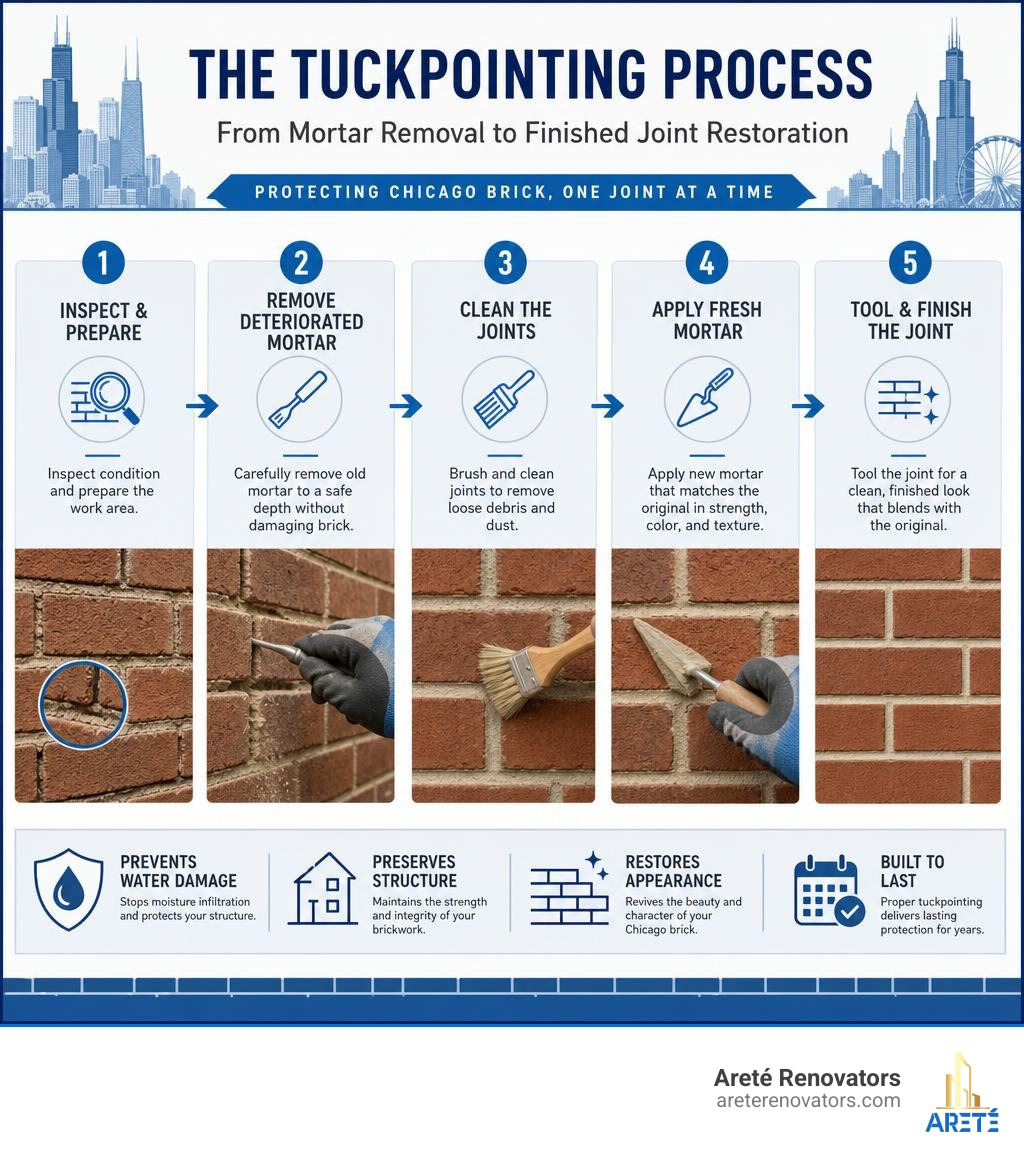
- Remove deteriorated mortar from brick joints to a safe depth
- Replace it with fresh mortar matched to your existing brick and color
- Prevent water infiltration that causes structural damage over time
- Restore appearance of brick walls, chimneys, lintels, and parapets
- Typical cost range: a few hundred dollars for minor repairs up to several thousand for full facade work
- Permit required? Yes — tuckpointing in Chicago uses the Easy Permit Program (EPP), usually approved same day
- How to choose: look for a licensed Chicago masonry contractor, BBB accreditation, written warranty, and no subcontracting
Chicago’s weather is brutal on brick. The city’s famous freeze-thaw cycles — where temperatures swing below freezing and back again dozens of times each winter — force water in and out of porous mortar joints repeatedly. Over time, that mortar cracks, crumbles, and fails.
When mortar fails, water gets in. And water getting into your walls is the beginning of a much bigger, much more expensive problem.
The good news: tuckpointing done right stops that damage in its tracks. The challenge is knowing who to hire, what to pay, and what to watch out for.
This guide covers all of it.
Understanding Tuckpointing and Why Chicago Brick Needs It
To understand why tuckpointing is so critical, you first have to understand how a brick wall actually works. We often think of brick walls as solid, impenetrable barriers. In reality, they are dynamic systems.
While the bricks themselves can last for more than a century, the mortar holding them together has a much shorter lifespan—typically 25 to 30 years. Mortar is designed to be softer and more porous than brick. It acts as a sacrificial buffer, absorbing the structural stress, movement, and moisture of the building so that the bricks don’t crack under pressure.
When mortar joints begin to wear out, they lose their water-resistant properties. In Chicago’s historic neighborhoods—whether you own a classic bungalow in Irving Park, a stately greystone in Lakeshore East, or a multi-family building in Evanston—protecting these joints is the only way to preserve the structural integrity of your home.
Without timely Masonry and Tuckpointing, water penetrates the wall system. When the temperature drops during our freezing Chicago winters, that trapped water expands, cracking the remaining mortar and eventually breaking the faces off the bricks themselves. To prevent this, professional Masonry Tuckpointing must be performed to restore the seal between the bricks.
Why Hire Professional Tuckpointing Contractors in Chicago?
While a quick DIY mortar patch might sound tempting for a Saturday afternoon project, masonry work on Chicago’s historic structures requires highly specialized skills. Professional tuckpointing contractors in Chicago bring the training, heavy-duty equipment, and local experience necessary to do the job safely and correctly.
- Structural Integrity: Experienced masons know how to remove old mortar to a precise depth (usually twice the width of the joint) using specialized diamond-blade grinders without damaging the surrounding brick.
- Historic Preservation: Older Chicago homes built before the mid-20th century utilize historic lime-based mortars. Applying modern, highly rigid Portland cement to these historic bricks will cause them to crack and spall. Professionals know how to analyze and match historic mortar compositions.
- Specialized Dust Collection: Grinding out mortar creates massive clouds of silica dust. Professional crews use specialized vacuum-shrouded grinders to meet strict local environmental and safety standards, keeping your property and your neighbors’ air clean.
For comprehensive exterior projects, partnering with a general contractor who understands how masonry integrates with your overall home structure is key. You can explore how these services fit into larger property updates through our guide on Exterior Remodeling.
The Difference Between Tuckpointing and Repointing
Though often used interchangeably by homeowners, “repointing” and “tuckpointing” are actually two different processes:
- Repointing is the structural process of grinding out old, damaged mortar and filling the joints with fresh, durable mortar. The goal is purely functional: stopping water and restoring strength.
- Tuckpointing takes the process a step further by adding an aesthetic element. Masons first fill the joints with a mortar colored to match the surrounding brick. Then, they cut a thin, precise groove down the center of the joint and insert a contrasting line of light-colored mortar (called a “fillet” or “tuck”). This creates the visual illusion of perfectly straight, razor-thin joints, which is highly prized on historic Chicago brickwork.
To see how these techniques are applied across various properties, you can review specialized local portfolios or consult with experienced professionals who understand the unique architectural needs of Chicago’s diverse neighborhoods.
Signs Your Property Needs Masonry Repair
How do you know when it’s time to call in the professionals? Mortar deterioration happens slowly, but there are several clear warning signs that indicate your home is ready for a visit from a specialist. Catching these issues early is key to avoiding costly structural repairs down the road.
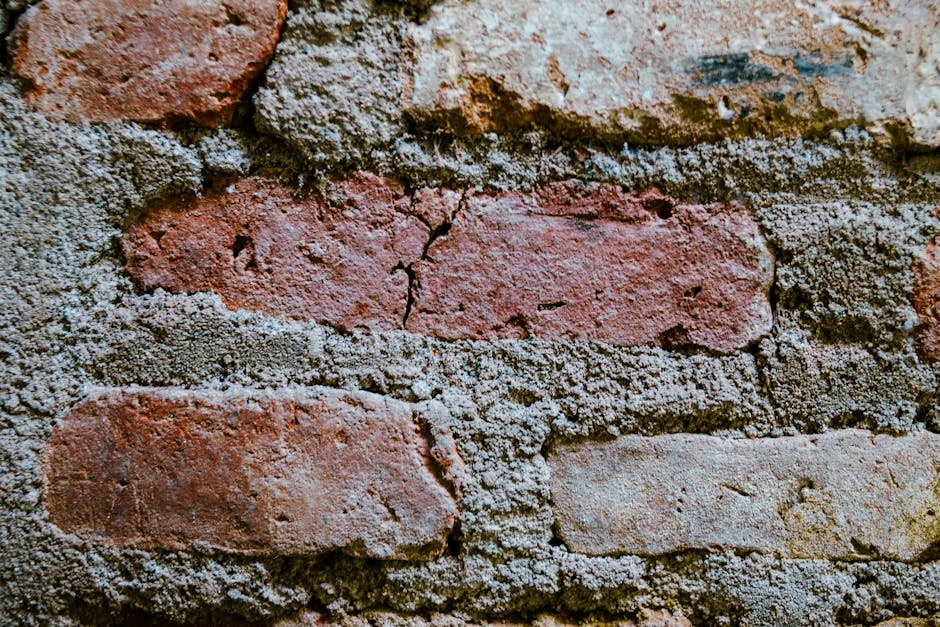
If you notice any of these signs on your facade, it is highly recommended to consult a professional. You can read more about identifying these issues in our Category Masonry Repair archive.
How to Inspect Your Brickwork
You don’t need to be a mason to perform a basic health check on your home’s exterior. Grab a flashlight and a flathead screwdriver, and take a walk around your property:
- The Visual Check: Look closely at the joints at eye level and above window frames. Are there visible gaps, holes, or places where the mortar has recessed deeply behind the face of the brick?
- The Screwdriver Test: Gently scrape a flathead screwdriver along a suspicious-looking mortar joint. If the mortar crumbles into powder easily or falls away in chunks, it has lost its structural bond and needs to be replaced.
- Hairline Cracks: Search for thin, stair-step cracks climbing up your brickwork. While some minor settling is normal, these cracks are open pathways for water intrusion.
Common Causes of Masonry Deterioration
Mortar failure is rarely caused by just one factor. Usually, it is a combination of natural wear and environmental stressors:
- Moisture Exposure: The single greatest enemy of masonry. Constant exposure to rain, melting snow, and improper roof drainage accelerates the breakdown of the mortar’s binding agents.
- Chicago Winters: The freeze-thaw cycle acts like a slow-motion jackhammer inside your walls. Water enters a tiny crack, freezes and expands, widens the crack, melts, and repeats the process.
- Thermal Expansion: As temperatures swing from summer heat to winter freeze, brick walls expand and contract. Over decades, this constant movement stresses the mortar joints.
For properties located in northern suburbs experiencing these exact climate conditions, such as Highland Park, understanding local weather patterns and hiring experienced professionals is key to protecting your home’s exterior.
Services Offered by Chicago Masonry Professionals
A comprehensive masonry restoration involves much more than just patching a few wall joints. Reputable tuckpointing contractors in Chicago offer a wide array of specialized services designed to protect your building from top to bottom.
When planning an exterior restoration, it’s helpful to understand the full scope of what a professional team can handle. Many homeowners coordinate these repairs alongside larger home updates; you can read more about managing multiple projects in our guide on Category Exterior Remodeling.
Structural Steel and Lintel Replacement
If you look above your windows and doors, you’ll see horizontal steel beams supporting the brickwork above. These are called lintels.
Over time, water penetration causes these steel lintels to rust. As steel rusts, it expands—a destructive process known as “rust jacking.” This expansion exerts immense upward pressure on the surrounding masonry, causing the bricks directly above the window corners to crack diagonally in a distinctive stair-step pattern.
Replacing a corroded lintel requires shoring up the brickwork above, removing the damaged masonry, installing a new, rust-resistant (often galvanized) steel lintel, and rebuilding the surrounding brick. This is a critical structural repair that should never be delayed.
For specialized regional masonry work, working with experienced local contractors ensures that both structural and aesthetic solutions are executed to the highest standards.
Chimney Restoration and Waterproofing
Because chimneys rise above the roofline, they are completely unprotected from the elements. They take the brunt of Chicago’s wind, rain, and snow, making them the most common source of masonry leaks.
A professional chimney restoration typically includes:
- Chimney Crown Repair: The concrete slab at the very top of the chimney (the crown) must be sealed and sloped to shed water away from the bricks.
- Flashing Repair: Ensuring the metal flashing where the chimney meets the roof is watertight.
- Waterproofing Sealants: Applying professional-grade, breathable water repellents. These sealants block liquid water from entering the brick while allowing internal water vapor to escape, preventing dangerous moisture buildup.
You can explore comprehensive chimney and overall brick services to ensure your home remains safe and dry throughout the year.
How to Choose the Best Tuckpointing Contractors in Chicago
Hiring the right contractor is the difference between a beautiful, 30-year restoration and a messy, failing patch job that ruins your home’s curb appeal. Because masonry is highly visible and structurally vital, you must do your homework before signing a contract.

When selecting a partner for your home repairs, understanding the standards of professional service is essential. To help guide your decision, review our expert advice on What to Look for When Choosing a General Contractor and explore Choosing the Right Chicago Remodeling Company for Your Home.
Red Flags When Evaluating Tuckpointing Contractors in Chicago
To protect your investment and your peace of mind, keep an eye out for these common warning signs when interviewing prospective masons:
- Subcontracting the Work: Always ask, “Will your own employees do this work, or do you hire subcontractors?” Companies that use their own trained crews maintain much higher quality control.
- Lack of Specialized Masonry Licensing: In Chicago, general contractors and masons must hold valid municipal licenses. Never hire a contractor who cannot provide their active license number.
- Extremely Low Bids: If a bid is significantly lower than others, they are likely planning to skip the labor-intensive grinding process and simply “smear” new mortar over your old, crumbling joints (a shortcut called “over-pointing” that fails within a year).
For practical steps on avoiding these pitfalls, see our guide on How to Not Get Ripped Off by a Contractor in Chicago and learn about the differences between hiring various types of professionals in Handyman vs Contractor Who Should I Hire and Why.
Verifying References and Past Project Quality
A reputable contractor will gladly share their track record. When verifying a mason’s credentials, look for:
- Local Portfolios: Ask to see photos of completed projects on homes similar to yours in your neighborhood.
- Mortar Matching Capabilities: Ask how they plan to match the color and texture of your existing mortar. A great contractor will mix custom mockups for your approval before starting.
- Active Community Standing: Look for established businesses with long-standing local reputations, positive customer reviews, and a strong presence in the Chicago area.
Costs, Timelines, and Chicago Building Permits
Understanding the financial and regulatory side of a masonry project helps you budget accurately and avoid unexpected delays. Below is an overview of what to expect for typical Chicago masonry projects in June 2026.
Average Chicago Masonry Project Scope, Costs, and Timelines (2026 Estimates)
| Project Scope | Average Cost Range (2026) | Typical Timeline | Permit Required? |
|---|---|---|---|
| Minor Spot Tuckpointing (Isolated repairs, chimney cap) | $1,200 – $3,500 | 1 – 2 Days | Yes (Easy Permit Program) |
| Full Chimney Rebuild & Seal (Above roofline) | $3,500 – $8,500 | 2 – 4 Days | Yes (Easy Permit Program) |
| Single-Story Facade Restoration (Bungalow side/rear) | $6,000 – $14,000 | 3 – 5 Days | Yes (Easy Permit Program) |
| Multi-Story Greystone Facade (Full grind & tuckpoint) | $18,000 – $45,000+ | 1 – 3 Weeks | Yes (Standard Review / Landmark) |
| Lintel Replacement (Per window, including brick repair) | $2,500 – $5,500 | 1 – 2 Days | Yes (Easy Permit Program) |
Note: Prices vary based on access, height, scaffolding requirements, and the specific type of historic mortar required.
Navigating Chicago Building Codes and Permits
Yes, tuckpointing requires a permit in the City of Chicago. Fortunately, the city offers the Easy Permit Program (EPP) for straightforward repair projects like tuckpointing and minor lintel replacements. The EPP allows licensed contractors to obtain permits quickly, often on the same day, because the work does not require professional architectural drawings. You can review official requirements through the City of Chicago Department of Buildings permit information.
However, if your property is located within one of Chicago’s historic landmark districts (such as parts of Lincoln Park, Irving Park, or the Gold Coast), your project must be reviewed by the Commission on Chicago Landmarks. This review ensures that the proposed mortar color, joint profile, and replacement bricks match the historic character of the neighborhood. While this review can add 4 to 12 weeks to your pre-construction timeline, it preserves the historic value and beauty of your property.
What Warranties and Guarantees to Expect
A professional tuckpointing job is a significant investment, and it should come with a clear, written warranty.
- Workmanship Warranty: Reputable Chicago contractors typically offer a 5-year written warranty on their tuckpointing work. This covers issues like premature cracking, peeling, or bonding failure.
- Material Guarantees: Manufacturers of specialty sealants and mortars often provide separate product warranties ranging from 5 to 10 years.
- Clear Contract Terms: Ensure your contract explicitly states that the crew will grind out the joints to a proper depth (not just smear mortar over the top) and includes a thorough cleanup process.
Frequently Asked Questions about Chicago Tuckpointing
How often does a Chicago brick building need tuckpointing?
In our local climate, a high-quality tuckpointing job typically lasts 25 to 30 years. However, highly exposed areas like chimneys, parapet walls, and south-facing facades that receive intense sun and wind may require spot repairs every 10 to 15 years. Performing an annual visual inspection helps you catch minor issues before they turn into major leaks.
Can tuckpointing be done in the winter in Chicago?
Generally, tuckpointing should be performed when temperatures remain consistently above 40°F (both day and night) for at least 48 hours to allow the mortar to cure properly. While specialty cold-weather mortars and heated enclosures can be used for emergency winter repairs, it is highly recommended to schedule major masonry projects between April and October.
What happens if I delay tuckpointing my property?
Delaying necessary masonry repairs is a recipe for expensive structural damage. Unsealed joints allow water to seep deep into the wall, causing:
- Spalling: Bricks cracking and popping out of the wall.
- Interior Water Damage: Ruined plaster, drywall, paint, and mold growth inside your home.
- Structural Shifting: Over decades, water can wash away the internal structural mortar, causing the brick walls to bow, bulge, or even collapse.
Conclusion
Your home’s brick exterior is its first line of defense against Chicago’s unforgiving climate. By investing in professional tuckpointing, you aren’t just improving your property’s curb appeal—you are protecting its structural foundation for decades to come.
At Areté Renovators, we understand that home remodeling can feel overwhelming. That’s why we’ve built our business around a highly structured, client-focused process designed to take the stress out of your hands. From your initial design consultation through the final walkthrough, you’ll receive daily updates and work directly with a dedicated project coordinator who ensures every detail of your project is handled with precision.
Whether you’re looking to restore a historic facade, update your home’s exterior, or embark on a complete interior transformation, we are here to help.
Ready to protect and beautify your Chicago home? Contact us today at Areté Renovators to discuss your upcoming project and schedule a consultation with our expert team!
