Why Dark Gray Siding is the Coolest Choice for Your Block
Why Dark Gray Siding is the Coolest Choice for Your Block
Dark Gray Siding Is Having a Major Moment — Here’s What You Need to Know
Dark gray siding is one of the hottest exterior design choices in home renovation right now — and it’s easy to see why.
Quick answers for homeowners exploring dark gray siding:
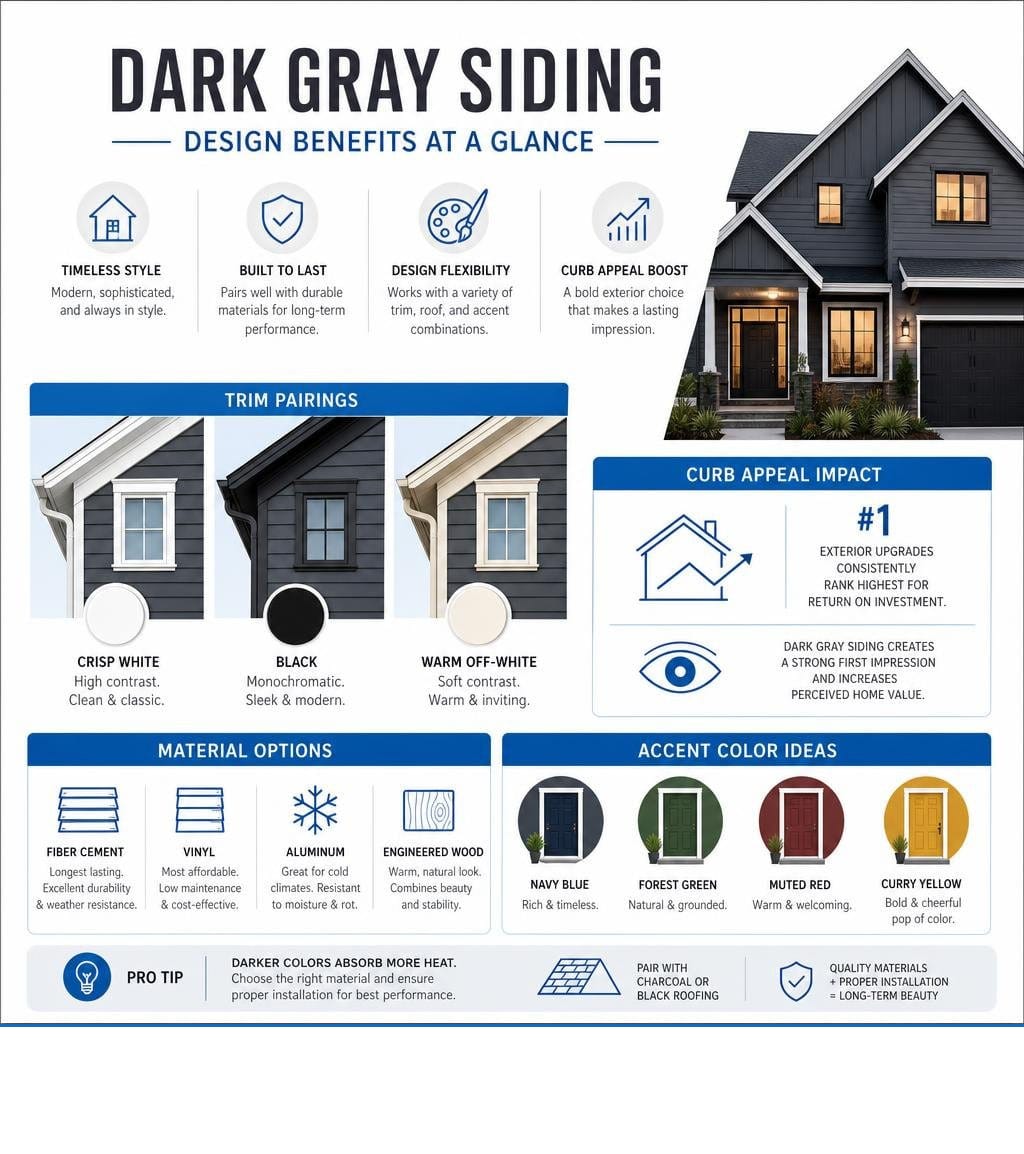
- Best trim colors: Crisp white (high contrast), black (monochromatic modern), or warm off-white
- Best accent colors: Navy blue, forest green, muted red, or a bold “curry” yellow for the front door
- Best materials: Fiber cement (longest lasting), vinyl (most affordable), aluminum (great for cold climates), engineered wood (warmest look)
- Best roof pairing: Charcoal gray or black shingles for a sleek, cohesive finish
- Main watch-out: Dark colors absorb more heat — material choice and proper installation matter a lot
Walk down almost any block being renovated right now and you’ll spot it: that deep, sophisticated charcoal exterior that makes a house look like it belongs in an architecture magazine. There are over 1,000,000 photos of dark gray siding on Houzz alone — that’s not a passing trend, that’s a movement.
But here’s the thing most homeowners don’t realize: choosing dark gray siding is only the first decision. The material, the trim, the roof, the accents, and even the installation technique all determine whether your finished home looks stunning or ends up with warped panels and faded color in three years.
This guide walks you through 26 design ideas, material comparisons, climate performance tips, and everything else you need to make the right call for your home.
The Aesthetic Power of Dark Gray Siding
There is something undeniably magnetic about a home clad in dark gray siding. Unlike lighter neutrals that can sometimes blend into the background, a deep, saturated gray makes a bold architectural statement. It strikes a flawless balance between modern sophistication and classic durability, adapting beautifully to a wide variety of architectural styles.
Whether you are remodeling a historic Dutch Colonial in Evanston, a sleek contemporary build in Lakeshore East, or a classic Craftsman in Irving Park, dark gray provides an instant facelift. It lends visual depth and structural weight to a property, highlighting unique architectural details like gables, entryways, and window lines that often get lost in washed-out white or beige paint schemes.
This dramatic color choice does more than just catch the eye of passersby; it actively enhances your property’s value. According to recent real estate market data, upgrading your home’s facade with a cohesive, well-planned dark color scheme can boost overall resale value by an estimated 5% to 10%. To dive deeper into how high-end exterior finishes translate to market value, check out our guide on Exterior Upgrades That Make Your Chicago Home Look Expensive.
Furthermore, dark gray is incredibly practical. It naturally conceals environmental dirt, dust, and minor wear far better than lighter alternatives, reducing the frequency of power washing and paint touch-ups. For a comprehensive look at how these deep tones transform modern residential architecture, explore the insights in Dark Gray Houses: A Complete Guide to Design, Curb Appeal, and Lasting Value.
Designing with Dark Gray Siding: Accent and Trim Pairings
The key to mastering dark gray siding lies in the art of contrast. Because dark gray is a powerful, moody base, the trim and accent colors you select will define the overall personality of your home.
- The High-Contrast “Tuxedo Look”: This is a timeless favorite. Pairing deep charcoal or iron gray siding with crisp, bright white trim around windows, doors, and fascia boards creates a sharp, clean aesthetic. The white trim acts as a frame, emphasizing the home’s geometry and keeping the dark siding from feeling too heavy.
- The Artful Frame of Black Window Trim: For a sleeker, more contemporary vibe, black window frames are unmatched. Black trim adds an incredibly sophisticated, moody edge. It acts like an art frame, drawing the eye directly to the windows and creating a seamless transition from the exterior to the interior.
- Bold Pops of Color: A dark gray backdrop is the perfect canvas for a vibrant front door. A warm, eye-catching shade like “Curry” yellow, deep teal, or a rich, muted red provides a stunning focal point that instantly warms up the facade.
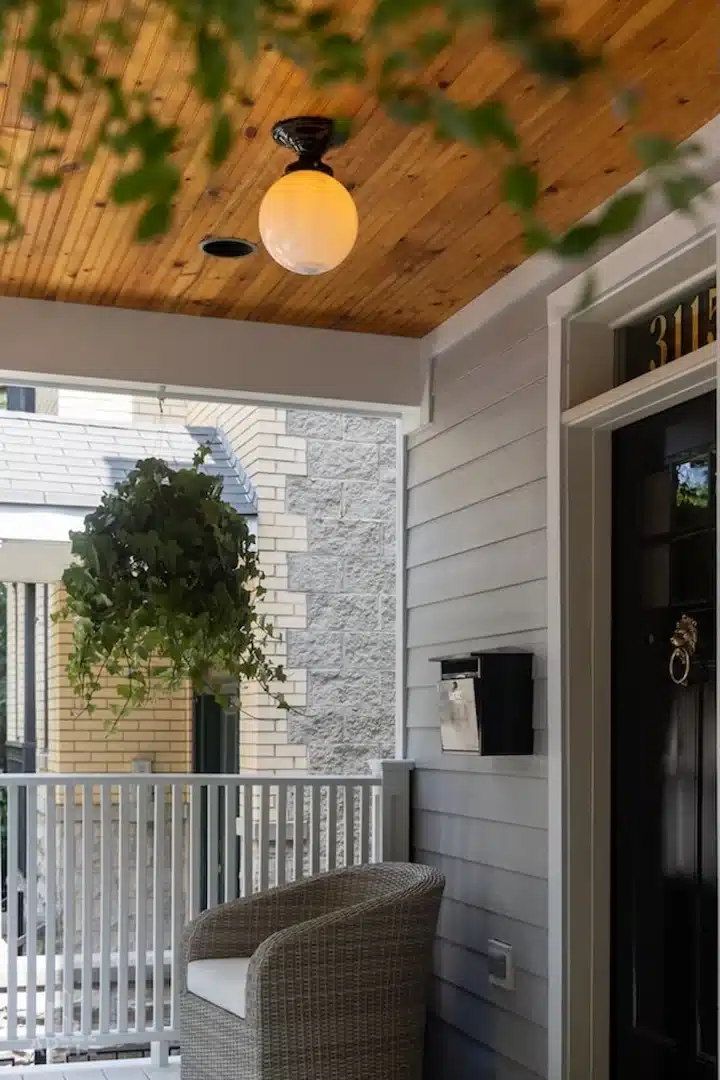
- Natural Wood Tones: Incorporating natural wood elements—such as stained cedar on porch ceilings, columns, or garage doors—softens the cool undertones of dark gray. The organic warmth of the wood balances the industrial coolness of the gray, creating an inviting, transitional aesthetic.
For a complete breakdown of creative design schemes, you can browse 26 Dark Gray Siding Color Combination Ideas for a Stylish Home to find the perfect match for your personal style.
Top Design Trends and Color Combinations
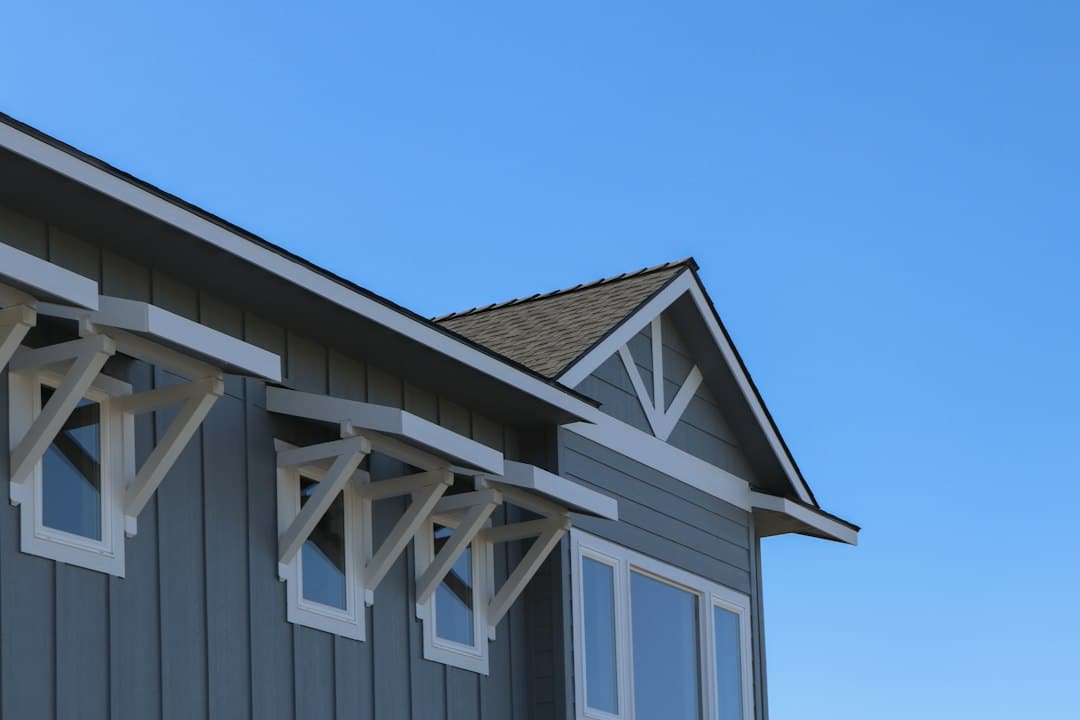
In 2026, home design is shifting away from flat, single-color exteriors toward multi-textured, dynamic facades. Homeowners are increasingly mixing siding profiles—such as combining traditional horizontal lap siding on the main body of the house with vertical board-and-batten on the gables—to create visual interest and shadow play.
Monochromatic Modernism with Dark Trim
One of the most sophisticated design trends of the year is the monochromatic look. Instead of contrasting dark siding with white trim, designers are pairing dark gray siding with matching dark gray or black trim. This creates a seamless, ultra-modern silhouette that feels cohesive and integrated.
When you pair dark gray siding with a matching charcoal roof and black windows, the home’s boundaries seem to melt away, making the structure feel larger and more unified. If you want to explore how changing the relationship between light and dark tones impacts curb appeal, take a look at our analysis of the reverse look: Light Gray House Dark Trim: Sharp & Polished.
Warm Rustic Accents and Stone Veneer
To prevent a dark gray exterior from looking too sterile or cold, we love incorporating stone veneer and warm rustic accents. Anchoring a home with a natural stone base—such as textured Cottonwood limestone or deep gray flagstone—adds organic texture and grounds the property.
Combining these stone elements with warm wood-look accents on the porch or entry overhang completely transforms the home’s vibe. This blend of stone, wood, and dark gray siding is a hallmark of high-end exterior remodeling that looks both luxurious and welcoming.
Choosing the Right Siding Material
The material you choose for your dark gray siding project will dictate its appearance, durability, maintenance requirements, and long-term performance.
| Material | Average Cost (Installed) | Lifespan | Maintenance Level | Best For |
|---|---|---|---|---|
| Vinyl | $3 – $7 per sq. ft. | 20 – 40 Years | Low | Budget-conscious projects |
| Fiber Cement | $8 – $14 per sq. ft. | 50+ Years | Low to Medium | Unmatched durability & rich color |
| Aluminum | $6 – $12 per sq. ft. | 40 – 50 Years | Low | Cold climates & modern design |
| Engineered Wood | $10 – $20+ per sq. ft. | 20 – 30 Years | Medium | Warm, authentic wood texture |
Comparing Materials for Your Dark Gray Siding Project
Every siding material has its unique strengths and weaknesses, especially when dealing with highly saturated dark colors. Understanding how different materials handle heat absorption, moisture, and UV exposure is key to making a lasting investment.
When selecting a material, you must balance upfront costs with long-term performance in your local climate. For homeowners in the Chicagoland area, our expert guide on Tips on Choosing the Best Siding for Your Home offers localized advice on making the right investment.
If you are aiming for a deep, rich shade like James Hardie’s popular “Night Gray” or “Iron Gray,” fiber cement is often the superior choice. These premium, factory-finished fiber cement options offer exceptional durability and color retention, making them a favorite for modern renovations.
The Pros and Cons of Dark Gray Vinyl Siding
Vinyl siding remains a highly popular choice due to its affordability and ease of maintenance. It never needs to be painted, and keeping it clean is as simple as a yearly rinse with a garden hose.
However, dark gray vinyl siding comes with specific physical challenges. Dark pigments absorb significant amounts of solar radiation, which can cause the vinyl panels to expand and contract dramatically as temperatures fluctuate. If the siding is not installed with proper spacing, this thermal movement can lead to warping, buckling, or “oil canning” (a wavy distortion across the flat panels).
If you are considering vinyl, it is critical to select a premium, thicker gauge vinyl (0.044 inches or higher) designed to withstand thermal stress.
Premium Alternatives: Fiber Cement, Metal, and Composites
For homeowners seeking maximum durability and a flawless finish, premium alternatives like fiber cement, aluminum, and engineered composites are highly recommended.
- Fiber Cement: Highly resistant to rot, fire, insects, and UV fading. Its structural rigidity means it does not expand and contract like vinyl, making it the ideal substrate for deep charcoal and dark gray paints.
- V-Groove Aluminum Siding: Aluminum siding does not crack or warp during freeze-thaw cycles. Modern architectural-grade aluminum (such as 1.6 mm thick alloy) featuring a V-Groove design offers a sleek, dent-resistant, and contemporary finish. For a highly durable and sustainable option, look into Dark Gray Aluminum Siding: Made in Canada by Vedrex.
- Engineered Wood & Metal Composites: If you love the look of weathered gray wood but hate the maintenance of natural timber, metal board-and-batten panels are a game-changer. Check out Metal Board & Batten Siding That Look Like Gray Wood to see how you can achieve a rustic wood aesthetic with the durability of 24-gauge steel.
- Dark Composite Cladding: High-performance composite panels, such as Siding Cladding – Midnight Black Color, offer exceptional weather resistance and deep, fade-resistant color pigments that elevate any modern facade.
Selecting these premium, long-lasting materials is one of the Top 2026 Exterior Upgrades for Chicago Homes to ensure lasting curb appeal and structural protection.
Climate Performance and Installation Best Practices
Installing siding requires a high level of precision and technical expertise. This is even more true with dark colored siding. Because dark colors absorb more sunlight, they are subjected to harsher thermal dynamics than lighter homes.
Managing the “Dark Siding Effect” and Heat Absorption
The “Dark Siding Effect” refers to the dramatic temperature increase that occurs on dark exterior surfaces. On a sunny day, dark gray or charcoal siding can reach surface temperatures that are 50°F or more above the ambient air temperature.
To manage this heat absorption and prevent thermal bridging into your home, we utilize advanced installation techniques:
- Rainscreen Assembly: Constructing a rainscreen assembly behind the siding panels creates a continuous air gap.
- Convective Cooling: This air gap (ideally a minimum of 3/8-inch) facilitates convective cooling, allowing hot air to rise and escape behind the siding, which keeps your home cooler and reduces energy costs.
- Advanced Weather Barriers: Utilizing high-quality house wraps and integrated weather barriers protects the underlying wall assembly from moisture while allowing the system to breathe.
Freeze-Thaw Durability and Proper Spacing
For homes in Chicago, Evanston, and Highland Park, our siding must endure extreme weather swings—from humid, high-heat summers to freezing, wind-driven winter storms. These intense temperature changes cause materials to expand and contract constantly.
Proper spacing is critical. During installation, we leave precise expansion gaps at all joints, corners, and window casings. If the siding is nailed too tightly to the sheathing, it will buckle when the temperature rises. If it is too loose, wind-driven rain can penetrate the envelope.
Hiring a professional contractor who understands these regional climate challenges is the best way to protect your investment. To see how we execute these high-performance installations, check out these Chicago Exterior Projects That Pack a Big Punch.
Frequently Asked Questions About Dark Gray Siding
Does dark gray siding fade over time?
Yes, all exterior siding will eventually experience some degree of UV fading. However, you can dramatically minimize this by choosing high-quality materials with advanced factory finishes. Fiber cement siding featuring baked-on color technology resists fading significantly better than field-applied paint. For aluminum or metal siding, look for high-performance Kynar (PVDF) resin-based coatings, which offer industry-leading UV resistance.
If you are planning to paint your existing siding a dark gray shade, it is crucial to use premium, exterior-grade acrylic latex paints designed specifically to resist solar heat and UV degradation. For more information on how paint impacts your home’s long-term worth, read Does Painting a Home Exterior Add Value?.
What color roof looks best with dark gray siding?
A charcoal gray or black shingled roof is the most popular and cohesive choice, creating a seamless, modern, and high-end silhouette. If you prefer a softer, more traditional contrast, light gray shingles paired with crisp white trim can balance the dark siding beautifully.
Can you use dark gray vinyl siding in hot climates?
Yes, but it requires extreme care. If you choose vinyl siding in a dark shade, you must select a premium, heavy-duty product with built-in UV inhibitors and thermal stabilization technology. Most importantly, the installation must be executed by experienced professionals who understand how to space the panels to allow for maximum thermal movement without warping.
Expert Chicago Exterior Remodeling Services
Upgrading your home with dark gray siding is one of the most impactful design moves you can make in 2026. It is a bold, sophisticated choice that instantly boosts curb appeal, adds tangible property value, and stands the test of time.
However, achieving a flawless, long-lasting dark exterior requires more than just picking a beautiful color. It demands premium materials, a deep understanding of local climate performance, and precise, professional installation.
Whether you are looking to remodel your home’s exterior in Evanston, Highland Park, Irving Park, or Lakeshore East, our team at Areté Renovators is here to bring your vision to life. As a premier Chicago-based general contractor, we specialize in high-end residential remodeling. Our highly structured, client-focused process ensures a seamless experience from initial design through your final walkthrough. With daily updates and a dedicated project coordinator guiding your remodel, you can rest easy knowing your home is in expert hands.
To explore how we can transform your home’s exterior, check out our Chicago Exterior Remodeling Q&A and browse our completed work in our Exterior Portfolio.
Ready to make your home the coolest on the block? Call us at 773.683.3033 or contact us today to schedule your consultation and learn more about our premium Siding Service.
