Prepping Your Chicago Home for the Cold with the 5 P’s
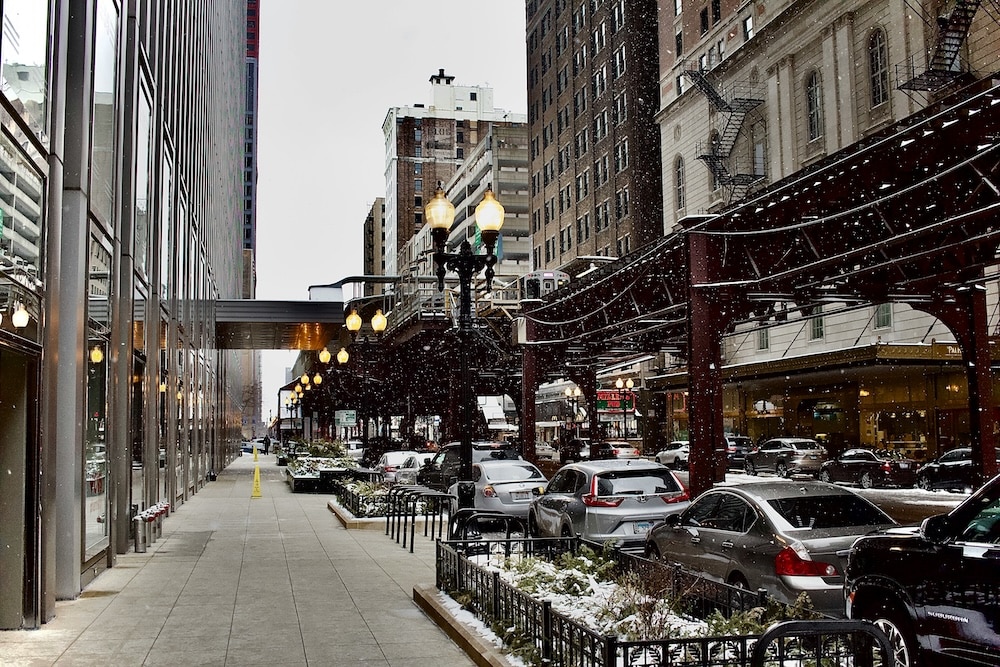
Just when we think the cold fronts are behind us, harsh temperatures return to remind us that Chicago winters are no joke. When the temperature plummets and snow starts to pile up, your home needs to be ready. The difference between a cozy winter and a costly one often comes down to preparation.
Our team at Areté has helped countless Chicago homeowners protect their properties through harsh winters. We’ve seen what works and what doesn’t. The key is breaking down winter prep into five manageable categories: Pipes, Plants, Pets, People, and Property. This approach ensures you won’t overlook critical areas that could cause problems when the temperature drops.
Let’s walk through each category so your home stays warm, safe, and damage-free all winter long.
Pipes: Stop Costly Winter Bursts Before They Start
Frozen pipes rank among the most expensive winter disasters. When water freezes inside your plumbing, it expands and can crack pipes wide open. The result? Thousands of dollars in water damage and repair costs.
Protect Your Plumbing
Start by insulating exposed pipes in unheated areas like basements, crawl spaces, and garages. Foam pipe insulation is inexpensive and easy to install yourself. Pay special attention to pipes near exterior walls.
When extreme cold hits, let faucets drip slightly overnight. Moving water resists freezing better than standing water. Open cabinet doors under sinks to allow warm air to circulate around pipes.
If you plan to travel during winter, never set your thermostat below 55°F. Keep interior doors open so heat reaches all rooms, especially those with plumbing.
What To Do If Pipes Freeze
If you turn on a faucet and only a trickle comes out, you likely have a frozen pipe. Shut off your main water valve immediately to minimize potential damage. Never try to thaw frozen pipes with an open flame or torch. Instead, use a hair dryer or heating pad, working from the faucet back toward the frozen section.
For frozen pipes you can’t access or if a pipe has already burst, call a licensed plumber right away.
Plants: Bring Tender Greenery Indoors
Chicago’s first frost typically arrives in October, and temperatures can drop dangerously low for plants well before that. Tender perennials and tropical plants that thrived in your summer garden won’t survive outdoors once nighttime temperatures fall below 55°F.
Bringing Plants Inside
Before the first frost, inspect every plant carefully for pests. Look under leaves and along stems for aphids, whiteflies, scale, and spider mites. Spray foliage with a strong stream of water to remove visible insects. For stubborn infestations, use insecticidal soap following label instructions.
Gradually move plants to shadier spots over the course of a week. This helps them adjust to lower light levels indoors. Once inside, place them near your brightest windows—typically south or west facing.
Reduce watering frequency for indoor plants. Check soil moisture by sticking your finger into the potting mix up to your second knuckle. If it still feels moist, wait to water. Indoor plants grow more slowly in winter and need less water and fertilizer.
Winter Garden Prep
For your outdoor garden, remove dead annuals and trim back perennials. Clear fallen leaves and debris that can harbor pests and diseases. Consider adding a layer of mulch around hardy perennials to protect roots from freeze-thaw cycles.
Pets: Keep Your Furry Companions Safe and Comfortable
Cold weather affects pets differently than people. Short-haired dogs, puppies, senior pets, and indoor cats need extra protection when temperatures drop.
Outdoor Safety
Limit outdoor time during extreme cold. Dogs should only go outside for exercise and bathroom breaks. Watch for signs of discomfort like shivering, whining, or lifting paws off the ground. Short-coated dogs benefit from wearing a sweater or coat on winter walks.
Never leave pets outside without supervision, regardless of the season. When you do go outside together, wipe paws thoroughly after walks. Ice melts and salt can irritate paw pads and cause poisoning if licked off.
Check your car’s hood before starting the engine on cold mornings. Outdoor cats sometimes seek warmth in wheel wells and engine compartments.
Indoor Comfort
Keep pets indoors as much as possible during winter. Provide warm bedding away from drafty areas. Make sure pets have constant access to fresh, unfrozen water.
People: Ensure Your Family’s Safety and Warmth
Your heating system works harder in winter than any other season. Regular maintenance and safety checks protect your family and prevent carbon monoxide poisoning.
Heating System and Carbon Monoxide Safety
Schedule annual furnace inspections with a qualified HVAC technician before winter arrives. Regular servicing catches small problems before they become expensive emergencies.
Install battery-operated carbon monoxide detectors near every sleeping area in your home. Test them when you change your clocks in fall and spring. Replace detectors every five years or according to manufacturer instructions.
Never heat your home with a gas oven or stove. This can lead to carbon monoxide poisoning. When using space heaters, place them at least three feet away from paper, drapes, bedding, and clothing. Turn them off before leaving home or going to bed.
Use generators, grills, and any fuel-burning equipment outdoors only, positioned more than 20 feet from windows, doors, and vents.
Emergency Preparedness
Build or refresh your winter emergency kit. Include flashlights, extra batteries, bottled water, non-perishable food, blankets, a first aid kit, and any necessary medications. Keep a battery-powered or hand-crank radio on hand for weather updates during power outages.
Store emergency contact numbers in your phone, including your utility company’s outage line. If someone in your home depends on electricity for medical equipment, have a backup power plan ready.
Property: Seal, Insulate, and Maintain
Your home’s exterior faces the brunt of Chicago’s winter weather. A few preventive measures now save money and headaches later.
Windows and Doors
Check weatherstripping around all doors and windows. Replace worn or damaged strips to keep cold air out and warm air in. Add temporary plastic film to drafty windows for extra insulation.
Gutters and Downspouts
Clean gutters and downspouts thoroughly before winter. Clogged gutters can cause ice dams, which force water under shingles and into your home. Make sure downspouts direct water at least three feet away from your foundation.
Roof Inspection
Examine your roof for missing, damaged, or loose shingles. Look for signs of wear around chimneys, vents, and flashing. Small repairs now prevent major leaks during winter storms.
Have your chimney inspected and cleaned annually. Blocked chimneys can cause carbon monoxide to build up inside your home.
Exterior Maintenance
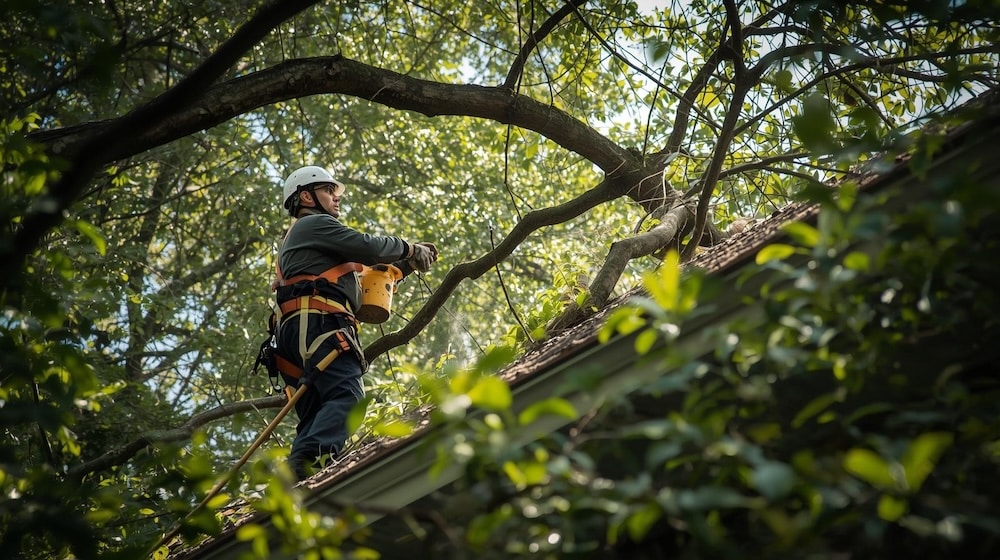
Disconnect and drain outdoor hoses. Shut off exterior water valves and drain the lines to prevent freezing. Store outdoor furniture or cover it securely. Trim tree branches that hang over your roof or power lines.
Your Chicago Winter Readiness Checklist
Pipes
- Insulate exposed pipes in unheated areas
- Know your main water shutoff location
- Keep thermostat above 55°F when traveling
- Let faucets drip during extreme cold
Plants
- Bring tender plants indoors before temps drop below 55°F
- Inspect for pests before bringing inside
- Gradually acclimate plants to lower light
- Clear outdoor garden beds and add mulch
Pets
- Limit outdoor time during extreme cold
- Wipe paws after walks
- Provide warm indoor bedding
- Keep fresh, unfrozen water available
People
- Schedule annual furnace inspection
- Install and test carbon monoxide detectors
- Build winter emergency kit
- Never use ovens or generators for indoor heating
Property
- Check weatherstripping on windows and doors
- Clean gutters and downspouts
- Inspect roof and chimney
- Disconnect outdoor hoses and shut off exterior valves
Protect Your Investment This Winter
Winter preparation protects both your family and your property. Taking these steps now means you can enjoy the season without worrying about frozen pipes, heating failures, or weather damage.
If you need help with any home winterization projects or repairs, our experienced team understands Chicago homes and the challenges winter brings. Call us at 773.683.3033 or contact us to schedule a consultation. We’ll make sure your home is ready for whatever winter throws our way.