Convert Your Garage to a Legal Coach House with the 2026 Chicago ADU Ordinance
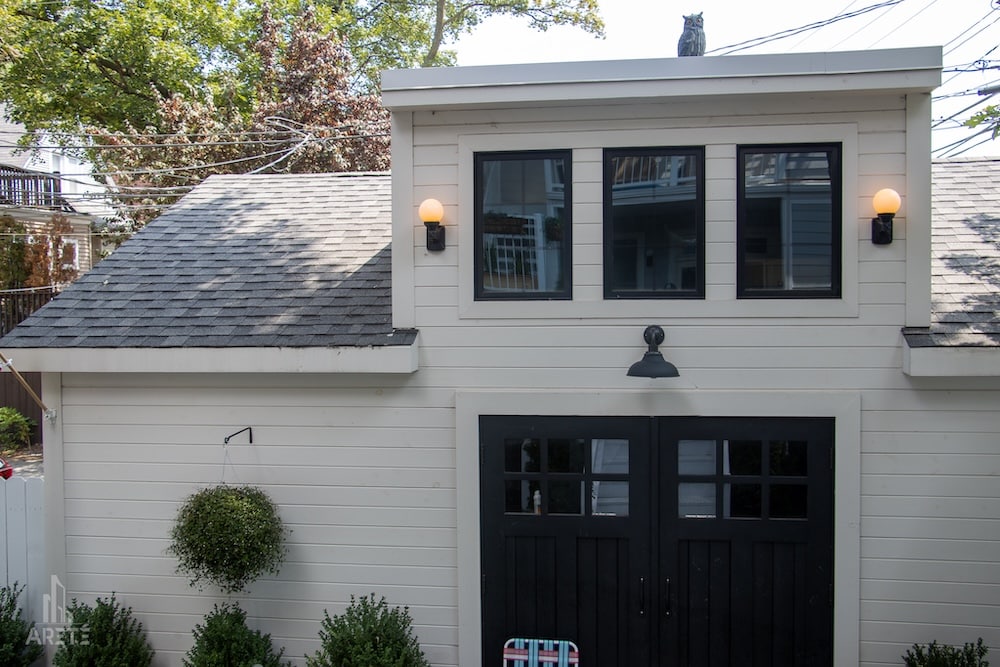
That detached garage sitting behind your Chicago home may be worth far more than you think. On April 1, 2026, Chicago’s permanent Accessory Dwelling Unit (ADU) ordinance takes effect, opening the door for thousands of homeowners to legally convert their garages and rear structures into income-generating coach houses. If you have been sitting on underused space for years or just started thinking about adding a rental unit, the new rules make this one of the most compelling home investment opportunities Chicago has seen in decades.
Approved unanimously (46-0) by the Chicago City Council on September 25, 2025, ordinance SO2024-0008918 transforms what was once a limited three-year pilot into a permanent, city-wide program. Here’s what you need to know before you start planning.
Does Your Property Qualify?
Eligibility under the new ordinance depends on your zoning district and location within the city.
The ordinance’s initial eligibility area covers roughly 29% of Chicago and includes:
- All multifamily zoning districts (RT and RM)
- RS zoning districts within the original five Pilot Areas (North, Northwest, West, South, and Southeast), which are considered “pre-approved.”
- RS zoning districts outside the Pilot Areas where the local alderperson has opted in
Expansion is possible outside the current pilot areas through an ordinance introduced by the local alderperson and approved by both the Zoning Committee and City Council. Individual alderpersons can also set block-specific conditions, including annual permit caps and owner-occupancy requirements, so the rules can vary significantly from one block to the next.
Owner-Occupancy Rules
In the West, South, and Southeast Pilot Areas, owner occupancy is required when adding an ADU to a property with one to three units at the time the permit is issued. Some wards may carry the same requirement. Confirming your property’s specific conditions before moving forward is essential.
You can look up your property’s ADU eligibility directly on Chicago Cityscape.
Coach House Design and Building Requirements
The addition of coach house ADUs can be added to a property regardless of the age of the existing building. While an existing building is required to be at least 20 years old to add an ADU. That alone makes them a highly accessible option for a wide range of Chicago properties.
Size and Height Limits
Under the permanent ordinance, coach house floor area is limited to 60% of the property’s required rear setback, which on a standard Chicago lot works out to a cap of approximately 450 square feet. Owners with larger lots can build larger structures. The 700-square-foot cap from the pilot program will not carry over. Height is capped at 22 feet, measured to the top of the highest feature.
Structural and Building Code Considerations
A garage-to-coach-house conversion involves more than cosmetic work. Before permits are issued, the structure must meet Chicago’s residential building code standards. Some of the most common requirements include:
- Egress and window sizing to meet minimum emergency exit standards
- Insulation and weatherproofing appropriate for year-round residential use
- Electrical service upgrades to support residential loads
- Plumbing installation for kitchen and bathroom facilities
- Ceiling height compliance for habitable space
- Fire separation requirements if the structure is close to property lines
- Foundations will need to meet requirements for a residential structure.
An Illinois-licensed architect must produce the drawings.
Parking
No additional parking is required when adding an ADU. If existing parking needs to be removed to accommodate a coach house build, that can be requested through the administrative adjustment process under Chicago Zoning Code Section 17-13-1007-B.
The Permit Application Process
Permit applications for coach houses under the new ordinance can be submitted starting April 1, 2026. The process moves through two primary approvals:
- Pre-approval certification from the Chicago Department of Housing
- Design by a licensed architect
- Building permit from the Chicago Department of Buildings
In some wards, an administrative adjustment may also be required. Once all documentation is in order and approvals are received, construction can begin. Areté’s project coordinators handle permit filing and city approvals as part of the design-build process, so you won’t be left managing that process on your own.
Financial Benefits and Rental Income Potential
A coach house adds a separate, legally recognized dwelling unit to your property, which has two significant financial effects: it generates rental income and it increases assessed property value.
Rental rates for coach houses vary by neighborhood, but a well-finished unit in Lincoln Park, Lakeview, or nearby areas can command competitive monthly rents that meaningfully offset mortgage costs or fund future renovations.
From a property value standpoint, adding a legal dwelling unit often shifts the classification of a property, for example, from a detached house to a two-flat. This can increase its appraised and market value. Cook County Assessor Fritz Kaegi has confirmed that ADU construction will not raise assessments for neighboring properties without ADUs. Homeowners who add a coach house may also qualify for the Home Improvement Exemption, which can shield a portion of the added value from reassessment for up to four years.
One important note: The city prohibits using ADUs permitted under this ordinance for short-term rentals like Airbnb or VRBO. The units must be used as traditional long-term rentals or housing for family members.
Affordability Requirements
If your property will contain two or more ADUs, affordability requirements apply. In those cases, 50% of the ADU units (rounded down) must be rented at rates affordable to households earning 60% of the area median income. The ordinance does not specify which unit must be designated affordable.
How to Get Your Coach House Project Started
A garage conversion is a meaningful construction project, and the most successful ones start with a clear plan, the right design team, and a realistic budget established well before permits are filed.
At Areté, our process begins with a complimentary onsite consultation where our estimator and architectural partner walk through your property, assess the existing structure, and discuss your goals for the space. From there, we develop architectural drawings, coordinate material selections at our showroom, and manage the full permit application process on your behalf.
Working with an Illinois-Licensed Architect
The ordinance requires that all ADU plans be prepared by an architect licensed in Illinois. We partner with trusted architects and will take care of scheduling them to view your project along with our team. They will produce the drawings needed for permit submission and ensure all plans meet Chicago building code standards before they are submitted.
Budgeting and Financing
Coach house conversions in Chicago typically fall in the range of $200 to $400 per square foot for a finished unit, depending on the condition of the existing structure and the level of finish selected. For homeowners whose budget for the project exceeds available liquid funds, financing options worth exploring include:
- Home equity loans or home equity lines of credit (HELOCs)
- Unsecured home improvement loans
- Renovation loans based on projected post-completion property value
Areté can connect you with preferred lending partners who work with homeowners on projects of this scope. Building in a 5–10% contingency is also strongly recommended, as garage structures often reveal unexpected conditions once construction begins.
Make the Most of Your Property with Areté
Chicago’s permanent ADU ordinance is a meaningful policy shift that rewards homeowners who act on it early. A detached garage that currently stores lawn equipment could, with the right design and construction team, become a legal, income-producing dwelling unit that raises your property’s value and expands what’s possible on your lot.
Our team is ready to walk you through your options. Call us at 773.683.3033 or contact us to schedule an initial project discussion.