Balancing Traditional and Modern Styles in Your Chicago Home
Chicago is a city defined by its architectural heritage. Walking through neighborhoods like Lincoln Park or the Gold Coast offers a masterclass in history. You see the limestone facades of classic Greystones, the sturdy brick of Chicago bungalows, and the practical elegance of the iconic two-flat. These structures have stood for generations. They tell the story of the city.
However, the way we lived in 1920 is not how we live today.
Homeowners often find themselves torn between two desires. You want to honor the historic character of your property. You also crave the clean lines, open spaces, and functionality of modern design. The good news is that you do not have to choose one over the other. Our design-build professionals specialize in merging these worlds to create spaces that feel timeless yet current.
The Allure of Chicago Historic Architecture
Before you start tearing down walls, it is helpful to understand what makes your home special. Chicago architecture from the late 19th and early 20th centuries was built with craftsmanship that is hard to replicate today.
The Chicago Greystone
There are an estimated 30,000 Greystones remaining in the city. These masonry buildings are defined by their limestone facades, often quarried in Indiana. They range from Romanesque Revival with heavy, rough-cut stone to the more symmetrical Classical Revival styles. The exterior is the soul of these homes. Preserving the limestone, cornices, and entryways is vital. The interior is where we have room to play.
The Iconic Two-Flat
Often called the workhorse of Chicago real estate, the two-flat typically features a brick facade and a stacked layout. These buildings were designed for practicality and longevity. Many feature beautiful vintage details like stained glass, built-in hutches, and hardwood floors. The challenge here is often the layout. Older two-flats can feel segmented or dark compared to modern standards.
Embracing Modern Design Elements
Modern design is not just about aesthetics. It is about lifestyle. Today we value flow, natural light, and efficiency. Introducing these elements into a vintage shell requires a thoughtful approach.
Opening the Floor Plan
Historic homes were often divided into distinct rooms for specific purposes. The kitchen was strictly for cooking, usually hidden at the back of the house. Today, the kitchen is the center of family life and entertaining.
Our designers often recommend removing non-structural walls to create a connection between the kitchen, dining, and living areas. This allows light to travel from the front bay windows all the way to the back of the house. It makes a classic row house feel expansive rather than narrow.
Updating the Kitchen and Bath
These are the two areas where modern functionality is non-negotiable. In a vintage home, you can install sleek, flat-panel cabinetry and professional-grade appliances without losing the home’s character. The contrast between a restored original brick wall and a modern quartz countertop creates a stunning visual narrative. It shows that the home has a history, but it also has a future.
Maximizing Light
Old windows can be drafty and inefficient, but they are also major architectural features. When we approach window replacements, we look for options that mimic the original profile and size but offer modern thermal performance. Using darker sashes can provide a contemporary edge that frames the view like art.
Harmonizing Styles Through Design
Creating a cohesive look involves more than just buying modern furniture for an old house. It requires a strategic use of color, texture, and scale.
Start with a Neutral Base
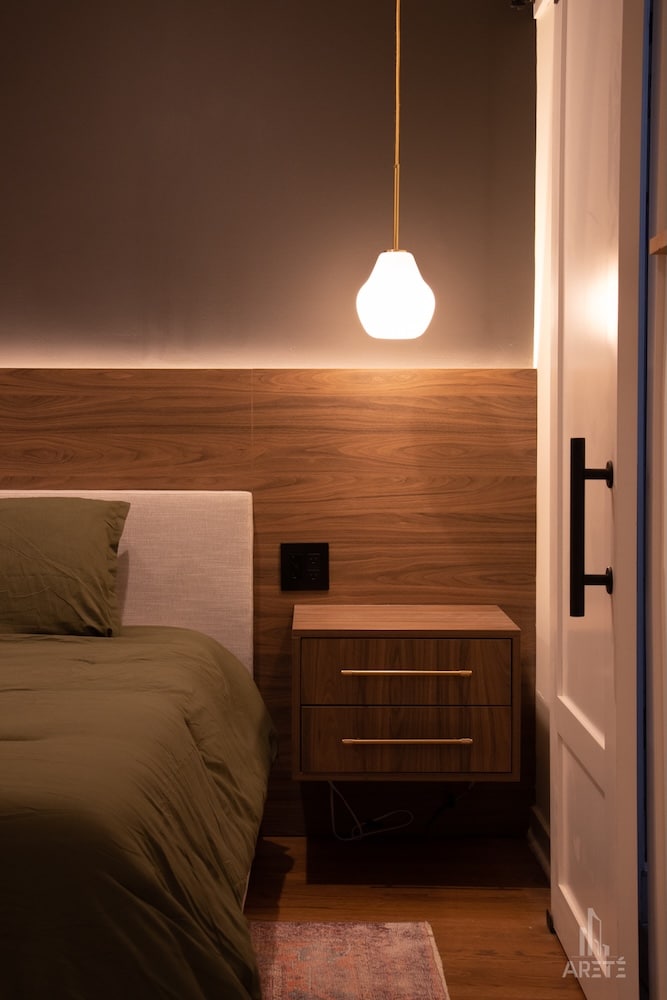
A neutral color palette on walls and larger architectural elements acts as a bridge. Soft whites, warm grays, and natural wood tones work well in both traditional and modern contexts. This creates a calm backdrop that allows you to layer in different styles without the space feeling chaotic.
Layer Textures and Materials
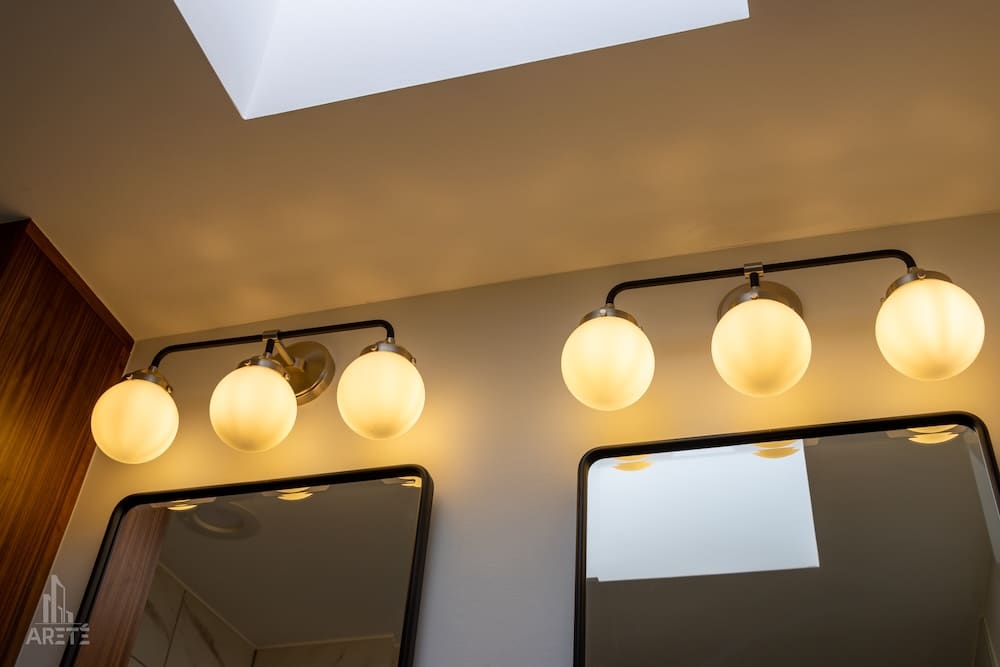
Mixing materials is one of the most effective ways to blend eras. You might pair the original dark wood flooring of a Gold Coast condo with polished chrome light fixtures. Or, in a Greystone renovation, we might offset the roughness of exposed brick with smooth, matte cabinetry. This tension between rough and smooth, old and new, adds depth to the design.
Use Transitional Pieces
Transitional furniture and fixtures are designed specifically to bridge the gap. These pieces have the weight and proportion of traditional design but feature the cleaner lines of modern styles. A transitional sofa might have a classic shape but lack the ornate tufting or skirting of a Victorian piece. These items act as a neutral link that ties the room together.
Common Mistakes to Avoid
Merging styles is an art, and it is easy to miss the mark. Here are a few things our team watches out for during the design phase.
Ignoring the Architecture
It is a mistake to fight the house. If you have a bungalow with beautiful stained glass, tearing it out to make the window look “modern” usually devalues the home. The goal is integration, not erasure.
Overcrowding the Space
Traditional design often involves more furniture and decor. Modern design leans toward minimalism. When blending the two, it is better to lean toward the modern side of spacing. Give your furniture room to breathe. This highlights the beauty of your individual pieces, whether they are antiques or contemporary sculptures.
Inconsistent Flooring
Nothing breaks the flow of a home faster than chopping up the flooring materials. We recommend running the same flooring material throughout the main living areas. If we are restoring original hardwood in the living room, we try to match that wood tone in the kitchen, even if the planks are new. This seamless look makes the entire home feel larger and more unified.
Creating Your Unique Chicago Home with Areté
Your home should be a reflection of who you are. It should respect the city’s past while fully embracing your present lifestyle. It takes a skilled hand to navigate the structural surprises of Chicago’s older homes and the aesthetic nuances of blending styles.
At Areté, we provide a hands-off process that handles every detail of your renovation. From the initial design concepts to the final installation of fixtures, we ensure the result is sophisticated, functional, and uniquely yours. You do not need to manage multiple contractors or worry about the timeline. We handle the logistics so you can focus on the excitement of seeing your vision come to life.
Our team is ready to help you transform your space into a modern masterpiece. Call us at 773.683.3033 or contact us to discuss your renovation goals.