7 Warning Signs Your Home Was Renovated Poorly
A home renovation should enhance your living space, add value to your property, and provide years of trouble-free enjoyment. But when contractors cut corners or lack proper skills, a renovation can quickly become a source of frustration, safety concerns, and expensive repairs.
Chicago homeowners deserve better than sloppy workmanship and code violations that diminish their investment. Recognizing the warning signs of poor renovation work protects you from future headaches and helps you understand when to call in professionals to assess and correct problems.
Our Areté team has seen countless examples of substandard renovation work across Chicago neighborhoods. We’ve helped homeowners identify issues ranging from cosmetic flaws to serious structural problems. Being knowledgeable about these red flags helps you make informed decisions about your home.
Structural Red Flags You Can’t Ignore
Structural issues represent some of the most serious problems that can result from poor renovation work. These concerns go beyond aesthetics and can compromise your home’s safety and stability.
Uneven floors signal potential problems with the foundation or floor framing. If you notice new slopes or dips in areas that were recently renovated, the contractor may have failed to properly level the subfloor or address underlying structural issues. Floors should feel solid and level throughout your home.
Sagging or bowing ceilings indicate serious problems that require immediate attention. This issue often results from improper support during renovation or water damage that wasn’t properly addressed. According to home inspection experts, visible sagging, soft drywall when pressed gently, large sections of cracking, or moisture rings are warning signs that a ceiling could be at risk.
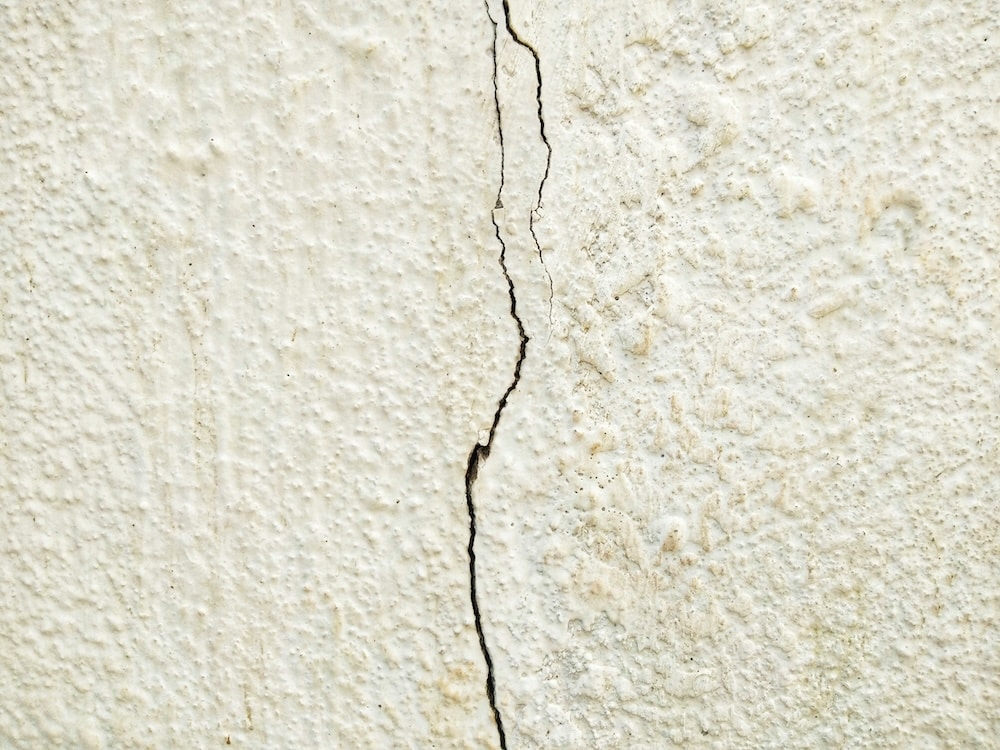
Foundation cracks near renovated areas suggest that the additional weight or structural changes weren’t properly engineered. New cracks appearing after a renovation, especially those wider than a quarter-inch or cracks that run diagonally, require professional evaluation.
Doors and windows that suddenly stick or won’t close properly after a renovation often indicate settling or structural movement. This problem can result from:
- Improper support during wall removal
- Inadequate foundation work
- Structural changes that weren’t properly engineered
- Load-bearing walls that were compromised
These structural concerns demand immediate professional attention. Ignoring them can lead to more extensive damage and higher repair costs down the line.
Sloppy Finishing Work Shows Throughout
Poor attention to detail in finishing work reveals a contractor’s lack of skill or care. While these issues may seem purely cosmetic, they often indicate deeper problems with the renovation.
Misaligned cabinet doors and drawers demonstrate poor installation. Cabinet doors should hang evenly, close properly, and align with adjacent doors. Gaps between cabinet boxes or between cabinets and walls show that the installer didn’t take time to ensure proper fit.
Uneven or cracked tile signals improper installation that can lead to more serious problems. According to tile industry experts, hollow-sounding tiles indicate inadequate adhesive coverage or failing bonds. Cracked grout often precedes cracked tile and can result from improper substrate preparation, excessive deflection in the floor, or missing control joints.
Paint problems like visible roller marks, uneven coverage, drips, or peeling edges indicate rushed work. Professional painters prepare surfaces properly, use quality materials, and apply paint evenly. Poor paint work often covers more serious issues like water damage or improper drywall repair.
Baseboards and trim that show gaps, uneven cuts, or poor caulking reveal a lack of attention to detail. These finishing touches should be crisp and professional, with tight joints and smooth transitions.
Crown molding that doesn’t align properly or has visible gaps at corners shows that the installer lacked proper skills. These details matter because they’re visible daily and affect your home’s overall appearance.

Electrical and Plumbing Problems That Spell Trouble
Electrical and plumbing systems require proper installation to function safely and meet building codes. Poor renovation work in these areas creates hazards and violates safety standards.
Flickering or dimming lights when you run appliances suggest that your electrical system wasn’t properly upgraded during the renovation. Modern homes require adequate electrical capacity, and contractors should size the electrical panel and circuits correctly for your needs.
Outlets placed in the wrong locations or missing required protection indicate that the contractor didn’t follow current electrical codes. Ground Fault Circuit Interrupter (GFCI) protection is required in specific locations throughout your home. According to the 2023 National Electrical Code, GFCI protection must be provided in bathrooms, kitchens, laundry areas, garages, basements, crawl spaces, and within six feet of sinks or bathtubs.
Persistent plumbing leaks or low water pressure point to improper installation or the use of incorrect materials. Professional home inspectors recommend checking under sinks for loose trap connections, moisture around fixtures, and proper venting. Plumbing systems should be tested thoroughly before walls are closed up.
Water stains on ceilings or walls near renovated bathrooms signal improper waterproofing. Shower pans and tub surrounds require careful installation with proper membranes and slope. Without correct installation, water infiltrates wall cavities and causes extensive damage over time.
Strange odors from drains might indicate missing or improperly installed plumbing traps. These fixtures prevent sewer gases from entering your home and are required by code at every drain.
Materials That Won’t Stand the Test of Time
The materials used in your renovation directly impact its longevity and performance. Contractors who prioritize low costs over quality create problems that surface quickly.
Cheap countertop materials show wear within months rather than years. Laminate countertops that quickly show scratches, chips, or water damage indicate that the contractor chose the least expensive option rather than durable materials suited to your needs.
Thin or low-quality flooring feels hollow underfoot and shows wear patterns quickly. Professional installers select appropriate underlayment and flooring materials that can withstand your household’s traffic patterns.
Builder-grade fixtures and hardware lack the durability and performance of quality products. Faucets that drip, handles that break, and hinges that fail soon after installation signal that the contractor cut corners on materials.
Improperly sized or inefficient HVAC equipment creates comfort problems and higher energy bills. Heating and cooling systems should be carefully calculated based on your home’s size, insulation, and layout. An oversized or undersized system won’t perform efficiently.
Single-pane windows in a modern renovation indicate that the contractor didn’t prioritize energy efficiency. Chicago’s climate demands proper insulation and quality windows to maintain comfort and control energy costs.
Missing Permits Raise Serious Concerns
Building permits exist to ensure that renovation work meets safety standards and building codes. Unpermitted work creates multiple problems for homeowners.
Legal and regulatory issues arise when work doesn’t comply with current codes. Municipal authorities can issue stop-work orders or require removal of unpermitted structures. You become liable for violations and fines even though you weren’t the one who did the work.
Insurance complications affect your coverage. Many homeowners insurance policies deny claims related to unpermitted work. If a fire starts from faulty electrical work that wasn’t permitted and inspected, your insurer may refuse to cover the damage.
Resale difficulties occur when unpermitted work is discovered during home inspections. Buyers may walk away from deals or demand significant price reductions. You might be forced to bring work up to code or remove unpermitted additions before you can sell.
Safety hazards multiply when work isn’t inspected. Building inspectors catch problems before they become dangerous. Unpermitted electrical, plumbing, or structural work may contain serious defects that threaten your family’s safety.
You can research permit history through your local building department. Most municipalities maintain records of permits issued for your property. Compare this history to the work that was done. Missing permits for major renovations indicate potential problems.
Why Professional Inspections Matter
Even if you don’t notice obvious problems, a professional home inspection provides valuable insight into renovation quality. Inspectors know what to look for and can identify issues that homeowners might miss.
Post-renovation inspections catch problems while you still have recourse with the contractor. Schedule an inspection before making final payment, if possible. The inspector’s report gives you documentation of any deficiencies that need correction.
Code compliance verification ensures that work meets current building standards. While home inspectors don’t enforce codes, they can identify work that appears to violate common code requirements. This information helps you decide whether to request municipal inspections.
Hidden defects often remain invisible until a trained professional examines the work. Inspectors can identify signs of water damage, improper framing, electrical problems, and other issues concealed behind finished surfaces.
Documentation of problems provides evidence if you need to pursue claims against a contractor. Detailed inspection reports with photographs support your case if legal action becomes necessary.
Peace of mind comes from knowing that your renovation was completed properly. A clean inspection report confirms that you made a sound investment in your home.
Protect Your Chicago Home Investment
Recognizing these warning signs helps you identify poor renovation work before small problems become expensive disasters. Your home deserves quality craftsmanship that enhances its value and serves your family for years to come.
Working with experienced professionals who prioritize quality over shortcuts makes all the difference. Proper planning, quality materials, skilled tradespeople, and thorough inspections ensure that your renovation investment pays off.
Our Areté team brings decades of combined experience to every Chicago renovation project. We understand local building codes, use quality materials, and maintain the highest standards of craftsmanship. Our design-build approach ensures seamless coordination from initial planning through final inspection.
Don’t settle for substandard work that diminishes your home’s value and creates ongoing problems. Call us at 773.683.3033 or reach out to discuss how we can help you assess your home’s condition or plan a renovation that meets your expectations for quality and value.